Fast, Smooth Healing Dental implant aftercare plays a big role in how comfortably and quickly you heal. Implants are a smart investment in your smile, bite, and confidence, and they have a strong track record when the healing period goes smoothly. If you’ve recently had dental implants in Boca Raton, you may be wondering how …

Fast, Smooth Healing
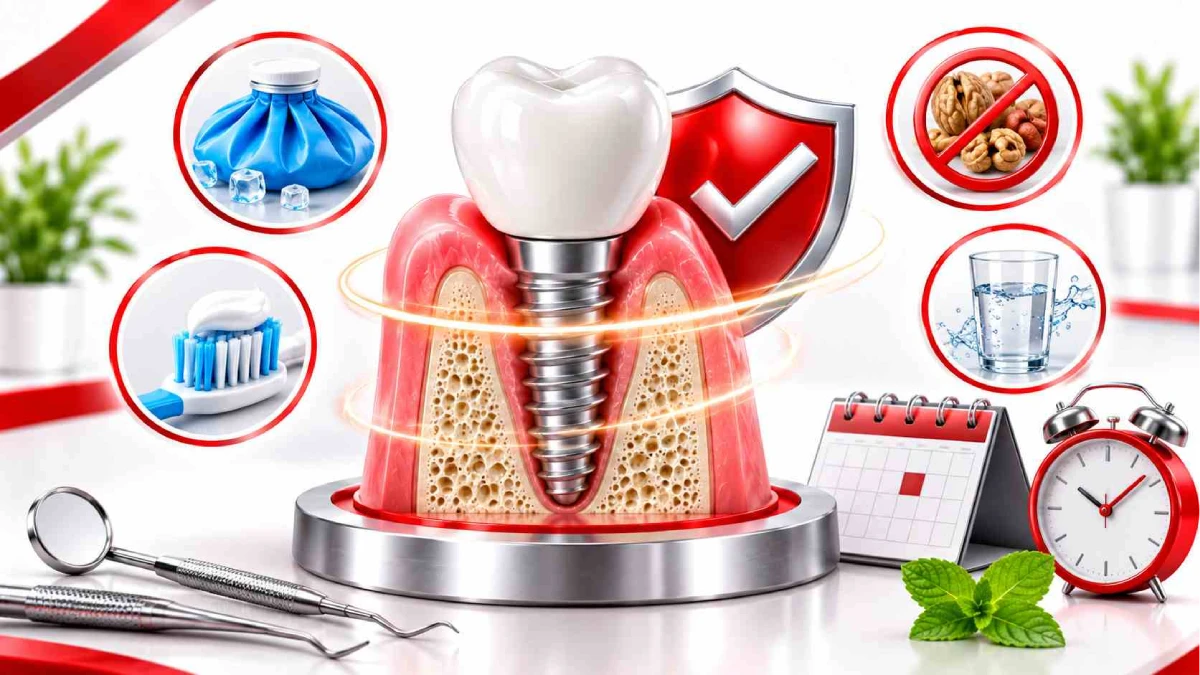
Dental implant aftercare plays a big role in how comfortably and quickly you heal. Implants are a smart investment in your smile, bite, and confidence, and they have a strong track record when the healing period goes smoothly. If you’ve recently had dental implants in Boca Raton, you may be wondering how to speed up recovery and avoid setbacks.
The good news is that healing is usually predictable when you follow a few simple habits. Rest, control swelling and discomfort, protect the implant site, and keep your mouth clean without disturbing the healing area. Soft, protein-rich foods and plenty of water help your body repair tissue and help the implant bond securely with the bone.
My patients’ biggest concerns are usually pain, what they can eat, and how soon life gets back to normal. Below, I cover each one, along with daily care tips, warning signs to watch for, and how to protect your implant long term.
How Dental Implants Heal: Recovery Timeline
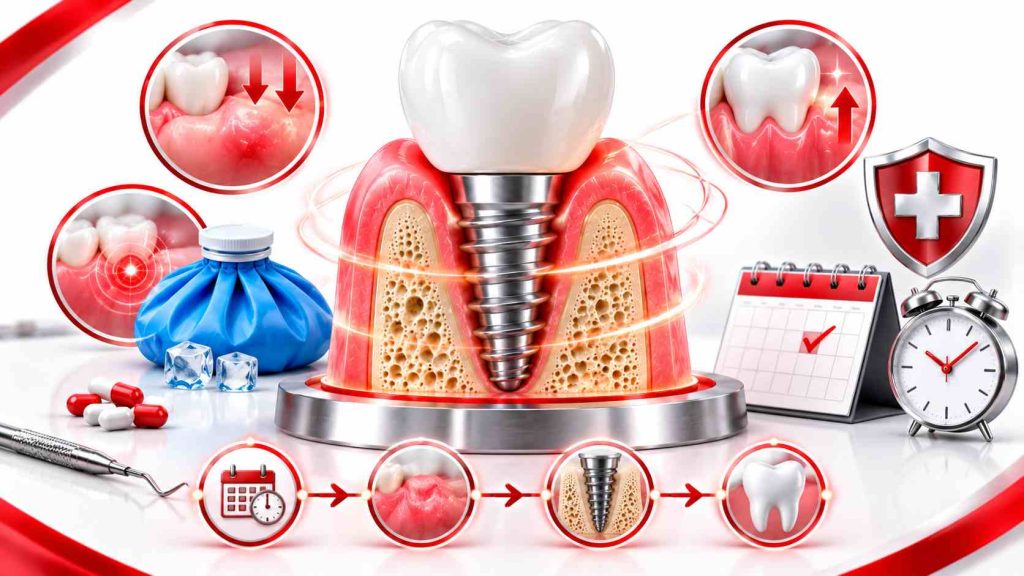
Dental implants heal in two stages: your gums close in 1 to 2 weeks, and the bone fuses in 3 to 6 months. This bone healing is called osseointegration. Your jawbone grows around the titanium post until it holds firm.
Careful dental implant aftercare matters most in the first year. A 2025 study of 158,824 implants reported a 97.79% survival rate. The same study found that most failures happened within the first year.
First 72 Hours
The first 72 hours are about protecting the blood clot and controlling swelling. The clot forms the base for new gum tissue. Habits like spitting, using a straw, or rinsing hard can break it loose.
Swelling and soreness are worst on day 2 or 3. Light oozing can last about a day, so bite on gauze to slow it. Rest, use cold packs, take your pain medicine, and eat cool foods like yogurt and smoothies.
Weeks 1 to 4
Pain and swelling settle within 7 days for most patients. Your stitches dissolve or come out around day 7 to 10. The gum seals around the implant or its healing cap.
Rinse with warm salt water or the mouthwash your dentist prescribed. Move to soft foods like eggs, pasta, and flaky fish, and chew on the other side. However, no pain does not mean the bone has healed.
Months 3 to 6
Your implant fully fuses with the jawbone between month 3 and month 6. Most dentists wait at least 8 to 12 weeks before placing a crown. Lower jaw implants can heal sooner, while bone grafts and sinus lifts take longer.
After that, your dentist checks healing with an exam and an X-ray. If the bone looks solid, your abutment and final crown go on. Check-ups every 6 months help keep the implant and gums healthy.
How to Stop Bleeding and Reduce Swelling
Press the gauze pad down with steady bite pressure for 30 to 45 minutes. Change it once it is fully soaked, not before. Still oozing? Bite on a damp black tea bag for 20 to 30 minutes, since its tannins help blood clot. Avoid spitting, straws, and hard rinsing for 24 to 72 hours.
A raised head and cold packs limit swelling in the first 2 days. Rest on an extra pillow for 48 hours so gravity can drain fluid away. Use a cold pack on your cheek in 10 to 15 minute cycles for the first 24 hours. After 48 to 72 hours, switch to a warm compress to boost blood flow. Call your dentist if swelling grows after day 3 or bleeding soaks 2 gauze pads in 1 hour.
How to Ease Pain After Implant Surgery
Start your pain relief before the numbing medicine wears off. Take ibuprofen or acetaminophen at the exact dose your dentist gives. If you received a stronger painkiller like hydrocodone, use it for severe pain and for the shortest time. Skip aspirin for 24 hours unless your doctor told you to take it.
Rest, cold packs, and clean rinses help your medicine work better. Also, avoid exercise like running or lifting weights for 48 to 72 hours. Begin warm salt water rinses after 24 hours, using ½ teaspoon of salt in 8 ounces of water, 3 to 4 times a day. However, call your dentist right away for sharp, worsening, or electric pain. It can point to infection or nerve irritation.
What to Eat and Drink After Dental Implant Surgery
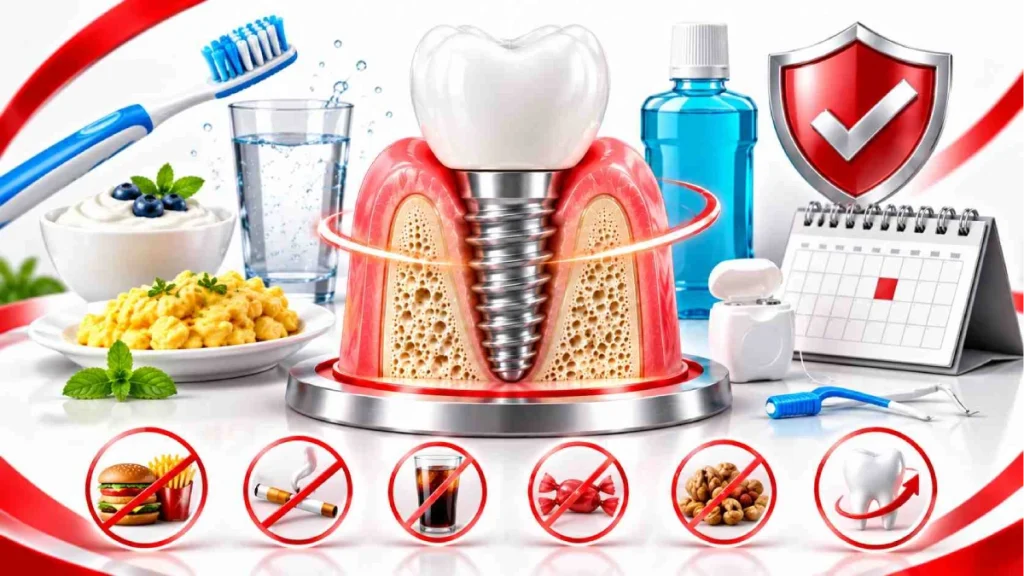
Eat cool, soft foods that need little or no chewing for the first 2 weeks. Soft meals protect the implant site, and foods rich in protein, calcium, and vitamin D help your bone heal. This simple step is a key part of dental implant aftercare.
Soft Foods That Help You Heal
Pick foods you can chew and swallow with little effort. Scrambled eggs, Greek yogurt, and mashed potatoes are easy on a healing mouth. Lukewarm soups like lentil soup or chicken broth add nutrients without any chewing.
Smoothies are a quick way to get protein and vitamins. Blend fruits like bananas and seedless berries with milk or yogurt. Meals rich in protein and minerals like zinc and calcium help tissue repair and ease soreness.
Foods and Drinks to Avoid
Avoid hard, crunchy, chewy, and sticky foods for 6 to 8 weeks. Foods like nuts, chips, and tough steak can irritate the site and slow healing. Spicy, acidic, or salty foods like hot sauce, lemons, and pickles can sting and inflame the gum.
Hot, sugary, and alcoholic drinks can set your healing back. Hot coffee or tea right after surgery may increase bleeding and swelling. Sugary drinks like soda feed harmful bacteria and raise infection risk. Also, alcohol and smoking slow healing, and a straw’s suction can pull the blood clot loose.
How to Clean Your Implant While It Heals
Keep your mouth clean with gentle rinses and a soft toothbrush, starting 24 hours after surgery. Do not rinse or brush the implant site on day one. A clean mouth heals faster, which makes hygiene a core step in dental implant aftercare.
Plaque around an implant can inflame the gum. A 2015 review of implant studies found this gum inflammation, called peri-implant mucositis, in about 43% of patients. Daily cleaning removes plaque before it causes trouble.
Rinsing With Salt Water and Mouthwash
Start warm salt water rinses 24 hours after surgery, 3 to 4 times a day. Mix ½ teaspoon of salt in 8 ounces of warm water. Let it flow around your mouth, and tilt your head to let it drain out without spitting.
Use a prescribed mouthwash like 0.12% chlorhexidine for the time your dentist sets. Most dentists prescribe it for 1 to 2 weeks, since longer use can stain teeth. Skip alcohol-based mouthwashes like original Listerine, which can sting healing gums.
Brushing and Flossing Near the Implant
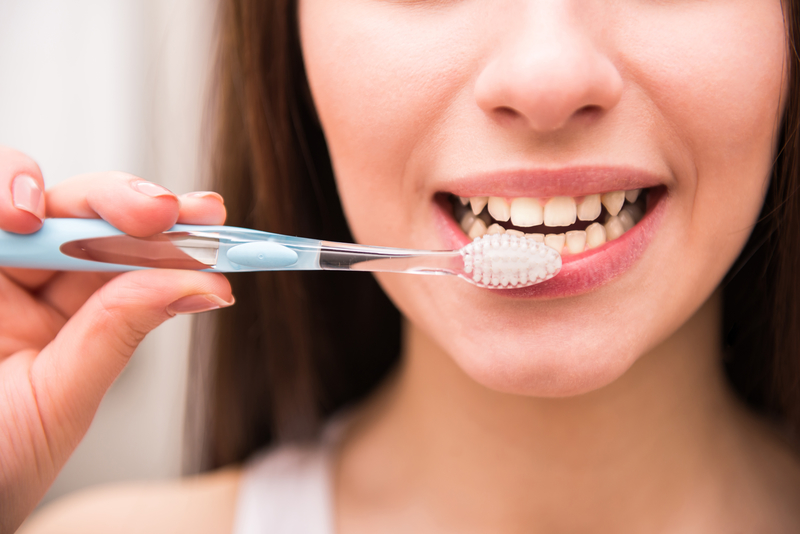
Brush your other teeth as normal from day one, but avoid the implant site for 24 hours. After that, use a soft-bristled toothbrush with light, short strokes near the site. Keep the bristles off your stitches, and wipe a healing cap with the brush tip.
Wait 2 to 4 weeks before you floss right next to the implant. Until then, a water flosser like a Waterpik on its lowest setting removes food without pressure. Also, use a low-abrasion toothpaste, and call your dentist if brushing causes bleeding or sharp pain.
Normal Healing vs. Warning Signs
Normal healing means mild swelling, bruising, and soreness that peak in 48 hours and fade over 7 to 10 days. Light spotting on gauze for a few hours is common. A little food may also catch near your stitches. In a study of simple implant surgeries, complications showed up in fewer than 4% of cases.
Call your dentist when your symptoms break from this pattern. Watch for swelling that grows after day 3, or pain that turns sharp after it started to ease. Pus, a bad taste, fever, or a loose implant also need a same-day call. However, trouble opening your mouth for more than 3 to 5 days needs a check too. Good dental implant aftercare means you call early instead of waiting.
Lifestyle Tips for Faster Healing
Rest, skip smoking, and avoid hard activity for the first 7 days to heal faster. These daily habits support your dental implant aftercare.
- Smoking and vaping: Stop for at least 2 weeks. In a 2018 study of 885 patients, heavy smokers had 6.1% early implant failure, versus 3.4% for non-smokers.
- Exercise: Walk after 24 hours. Skip running, weights, and contact sports for 7 days.
- Work: Most people return to desk work in 1 to 2 days. Physical jobs may need 5 to 7 days.
- Sleep: Sleep on the side away from the implant for the first week.
- Sinus care: After an upper jaw implant or sinus lift, do not blow your nose for 2 weeks. Sneeze with your mouth open.
- Health conditions: Keep blood sugar steady if you have diabetes. Tell your dentist if you take blood thinners like warfarin.
- Follow-up visit: Keep your 7 to 10 day appointment so your dentist can check the stitches.
Long-Term Care to Make Your Implant Last
Clean your implant twice a day and see your dentist every 6 months to make it last. Use a soft toothbrush and tools like interdental brushes or a water flosser around the implant. Wear a night guard if you grind your teeth, since grinding can loosen the abutment screw.
Regular checkups protect the gum and bone around your implant. In a 5-year study of 80 implant patients, 43.9% who skipped yearly visits developed peri-implantitis, versus 18% who came at least once a year. Long-term dental implant aftercare also means no smoking, and a call to your dentist for bleeding gums or a loose crown.
Get Expert Implant Aftercare Support in Boca Raton
Recovering from dental implants is a gradual process, but the right dental implant aftercare makes it smoother and helps your implant last. Stick to the instructions I give you, clean your mouth gently every day, and support your body with good habits. With that care, your new teeth can look natural and work well for many years.
At my Boca Raton office, I offer follow-up visits and prompt care for implant healing concerns. Call my team if you notice warning signs like swelling after day 3, pus, or a loose crown.
Don’t wait if something about your healing feels wrong. Call (561) 368-3636 today. Visit my office at 900 Glades Road, Suite 3A, Boca Raton, FL 33431, or book online at toothsavers.net. I will check your healing and answer your questions.
FAQs
Can I drink coffee after a dental implant?
Wait 24 to 48 hours before you drink hot coffee after a dental implant. After that, let it cool to warm and sip from a cup, not a straw.
When can I go back to work?
Most people return to desk work 1 to 2 days after implant surgery. Jobs with heavy lifting or physical labor may need 5 to 7 days off.
How long do dental implants last?
Dental implants can last 20 years or more with good care, and many last a lifetime. The crown on top may need replacing after 10 to 15 years due to normal wear.
How can I make a dental implant heal faster?
Rest, eat soft protein-rich foods, and avoid smoking to help your implant heal faster. Keep the site clean with salt water rinses, and attend every follow-up visit.
What is the 3/2 rule for implants?
The 3/2 rule is a placement guide dentists use during implant surgery, not an aftercare rule. One common version places the implant 3 mm below the planned gumline, with at least 2 mm of bone on the cheek side.
What are the signs that a dental implant is healing well?
Pain and swelling that ease each day are the clearest signs of healthy healing. Pink gums, no pus or bad taste, and an implant that feels stable also show you are on track.
What is the most painful day after dental implants?
Pain is usually strongest about 24 hours after surgery, while swelling peaks on day 2 or 3. Discomfort should ease each day after that, so call your dentist if it gets worse.
Fast, Smooth Healing