An infected dental implant can turn a reliable, long-lasting tooth replacement into a serious problem. Implants look and feel natural, but they still need the same care as your real teeth. Without it, bacteria can build up around the implant and cause an infection. Implant infections usually start in the gums as peri-implant mucositis, which …

An infected dental implant can turn a reliable, long-lasting tooth replacement into a serious problem. Implants look and feel natural, but they still need the same care as your real teeth. Without it, bacteria can build up around the implant and cause an infection.
Implant infections usually start in the gums as peri-implant mucositis, which can often be reversed. If it isn’t treated, it can progress to peri-implantitis, which damages the bone that holds the implant in place and can lead to implant failure. The earlier you spot the warning signs, the better your chances of saving your implant.
If you think your dental implant may be infected, don’t wait. Call Dr. Glen Mitchell at (561) 368-3636 or visit us at 900 Glades Road, Suite 3A, Boca Raton, FL 33431 to schedule an evaluation today.
What Is a Dental Implant Infection?
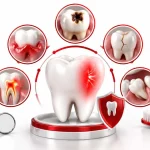
A dental implant infection, also called peri-implantitis, happens when bacteria build up around the implant. This causes swollen gums, gum recession, and in some cases bone loss.
Many patients think a metal tooth can’t get infected. The implant itself can’t decay, but the gum and bone that hold it in place can. Over time, the infection weakens that support and the implant can loosen.
It develops in 2 stages:
- Peri-implant mucositis: The gums turn red and bleed when probed. The bone is still healthy, and a deep clean can reverse it.
- Peri-implantitis: The infection reaches the bone. X-rays show bone loss around the implant threads, and that bone won’t grow back.
Implants are also more exposed than natural teeth. A natural tooth has a ligament that helps block bacteria, but an implant doesn’t. That’s why an infected dental implant can lose bone faster than a natural tooth with gum disease.
A large review found gum inflammation in 43% of implant patients and bone infection in 22% (Derks & Tomasi, 2015). It can start months or even years after surgery.
5 Warning Signs of an Infected Dental Implant
The five warning signs of an infected dental implant are pain, swollen gums, pus, a bad taste, and a loose implant. Each sign points to germs building up around the implant. One large review found that about 22% of implant patients develop peri-implantitis (Derks & Tomasi, 2015).
In my office, I tell patients to watch for changes in how the implant feels. Any sign that lasts more than 7 days needs a checkup. Catching it early protects the bone that holds your dental implant.
1. Pain That Gets Worse or Comes Back
Some soreness is normal after implant surgery, and it should ease within 3 to 5 days. Pain that grows after day 3, stays constant, or returns months later is a warning sign. Pain from an infected dental implant feels deep and throbbing, or hurts when you chew foods like nuts or apples.
Some infections cause no pain at first. I have found bone loss in patients who felt nothing at all. That is why a checkup every 6 months matters.
2. Red, Swollen Gums or Fever
Red, puffy, or tender gums are the most common early sign of infection. Healthy gums look pink and fit tight around the implant. Infected gums may look shiny, feel warm, or hurt when you brush. If the redness and swelling don’t fade, have them checked.
A fever above 100.4°F (38°C) means the infection may be spreading. Watch for body signs like chills, tiredness, or swollen glands in your neck. These signs need a same-day call to your dentist.
3. Bleeding or Pus Around the Implant
Bleeding when you brush weeks after surgery, or any pus, signals infection. Light bleeding in the first day or two is normal. Bleeding that is heavy, or that happens every time you brush or floss around a dental implant, is not.
Pus looks white or yellow at the gum line. You may notice it when you press the gum with a finger. Pus means germs have formed a pocket under the gum, and it needs prompt care.
4. A Bad Taste or Smell That Won’t Go Away
A sour, salty, or metal taste near one tooth can point to hidden infection. Many patients notice it most in the morning or after meals. Brushing, mouthwash, or mints may hide it for an hour, but it comes back.
This taste often comes from pus you cannot see. Bad breath that lasts past 2 weeks of good brushing is another clue. Also, tell your dentist if the taste started after a new crown was placed.
5. A Loose Implant or Receding Gums
A dental implant that moves, or shows metal at the gum line, needs a same-day call. A healthy implant should never wobble. Movement when you bite into foods like bread or steak means the bone or a part has weakened.
Receding gums show a gray metal edge or make the tooth look longer. However, a loose crown or screw does not always mean infection. Only an exam and an X-ray can tell the difference.
Normal Healing or Infection? How to Tell the Difference
Normal healing gets better each day, while an infected dental implant gets worse or keeps coming back. Soreness and swelling after implant surgery should peak at 2 to 3 days and ease within a week. Pain that grows after day 4, swelling past 7 days, or bleeding weeks later points to a problem. Pus, a fever above 100.4°F (38°C), or a bad taste that won’t go away are clear signs to call your dentist.
What Causes Dental Implant Infections?
An infected dental implant usually starts with plaque bacteria building up at the gum line. If brushing and cleanings don’t remove it, the gums swell and infection can reach the bone. Past gum disease, poor plaque control, and skipped checkups are the strongest risk factors (Schwarz et al., 2018).
Other common causes include:
- Smoking or vaping: Reduces blood flow and slows healing.
- Uncontrolled diabetes: Weakens the body’s defense against infection.
- Leftover cement: Traps plaque under the crown.
- Teeth grinding: Puts extra force on the implant and bone.
Leftover cement is often overlooked. One study found it in 81% of implants with gum disease (Wilson, 2009).
When Should You See a Dentist?
See a dentist as soon as you notice bleeding, pus, or pain that is getting worse. Mild signs like redness or a bad taste need a visit within a week. Pus, growing pain, or a loose implant need a call the same day. The sooner an infected dental implant is treated, the more bone and implant you can save.
Get emergency care if you have a fever above 100.4°F (38°C), swelling in your face or neck, or trouble swallowing. Don’t take leftover antibiotics on your own, because they can hide symptoms without treating the cause.
Diagnosis and Treatment: Can an Infected Implant Be Saved?
Yes, an infected dental implant can often be saved when treatment starts before major bone loss. I check the gums, measure the pocket around the implant, and take X-rays to see the bone. I also check the crown and screw, since a loose part can look like infection.
Early cases often need only a deep clean and an antiseptic rinse like chlorhexidine. Advanced cases may need surgery and a bone graft, and severe ones may need the implant replaced. The sooner treatment starts, the simpler and less costly it tends to be.
How to Prevent Dental Implant Infections
You can lower your risk of infection with a few simple habits:
- Keep your regular dental checkups and cleanings.
- Brush twice a day and clean around the implant every day.
- Avoid smoking and heavy drinking.
- Follow your post-surgery instructions closely.
Gum Disease and Implant Failure: Protecting Your Investment
Gum disease weakens the gums and bone that hold your implant in place, which makes failure more likely. Regular exams and cleanings catch the early signs before they turn into bigger problems.
FAQs
How common are dental implant infections?
Dental implant infections are fairly common. One large review found that about 1 in 5 implant patients develop peri-implantitis over time. Good oral hygiene and regular dental checkups greatly reduce this risk.
What are the early warning signs of dental implant failure?
The early warning signs are bleeding or red gums, lasting pain, and a loose feeling around the implant. Receding gums or a bad taste near the implant also mean you should see your dentist soon.
Can an infected dental implant be saved?
Yes, an infected dental implant can often be saved if it’s treated early. Advanced cases with major bone loss may need surgery or implant removal.
How do I know if I have an infection after implant surgery?
You may have an infection if pain or swelling gets worse after the first 3–4 days instead of better. Pus, fever, or a constant bad taste are also clear signs to call your dentist.
How do dental implants work?
A dental implant works as an artificial tooth root that fuses with your jawbone. A connector and a custom crown are then attached on top to replace the missing tooth.
What causes dental implant problems?
Most dental implant problems are caused by plaque buildup, smoking, uncontrolled diabetes, or past gum disease. Teeth grinding and leftover cement under the crown can also lead to problems.
What should I do if I notice signs of an implant infection?
Call your dentist right away if you think you have an infected dental implant. Keep the area clean, and get urgent care if you have a fever or facial swelling.
How can I prevent dental implant problems?
You can prevent most implant problems by brushing twice daily, cleaning between your teeth, and getting regular dental cleanings. Avoiding smoking and managing diabetes also protect your implant.
How much do dental implants cost?
Dental implant costs vary based on the number of implants, the materials used, and any extra procedures like bone grafting. A consultation is the best way to get an accurate price for your treatment.
Can an infected dental implant heal on its own?
No, an infected dental implant cannot heal on its own. Without treatment, the infection usually gets worse and can damage the bone holding the implant.
What should I do if my implant starts hurting months after surgery?
If your implant starts hurting months after surgery, book a dental exam as soon as possible. The pain may be caused by infection, bone loss, a loose screw, or a bite problem.
The Bottom Line
An infected dental implant can usually be treated when it’s caught early. Watch for the 5 warning signs: pain that gets worse, swollen gums, bleeding or pus, a bad taste, and a loose implant. Healing should improve each day, so any sign that lingers or returns needs a closer look.
Implant problems don’t go away on their own. If you’ve noticed any of these signs, even mild ones, call Dr. Glen Mitchell at (561) 368-3636 or book online at toothsavers.net. A quick exam today can protect your dental implant for years to come.
October 21, 2026
By Glen B