Emergency root canal treatment is often the fastest way to stop a throbbing toothache that keeps you up at night. When infection reaches the soft pulp inside a tooth, the pain can quickly turn into a dental emergency that needs prompt care. Root canals have an unfair reputation, but they are one of the most …

Emergency root canal treatment is often the fastest way to stop a throbbing toothache that keeps you up at night. When infection reaches the soft pulp inside a tooth, the pain can quickly turn into a dental emergency that needs prompt care. Root canals have an unfair reputation, but they are one of the most effective ways to relieve severe tooth pain and save a natural tooth that might otherwise have to be pulled.
At Tooth Savers in Boca Raton, we focus on treating the inside of the tooth, where the nerve and blood supply sit. With modern techniques and advanced imaging, a root canal today usually feels about the same as getting a routine filling. If you think you may have an infected tooth, don’t wait. Getting care early is the best way to stop the pain and protect your smile.
What Is an Emergency Root Canal?
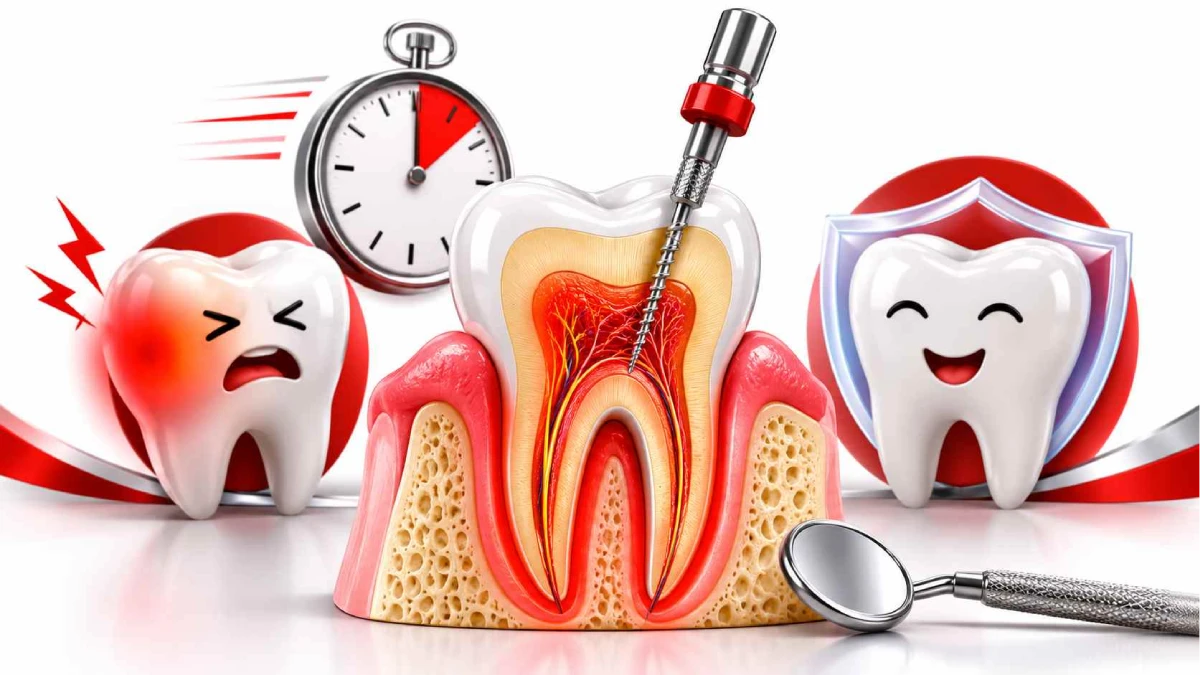
An emergency root canal is urgent, same-day care that clears infection from the inner tooth and ends severe pain. Deep inside each tooth is the pulp, a living tissue made of nerves and tiny blood vessels. Germs can get in through decay, a crack, or a hard hit to the mouth. Once the pulp is infected, the pressure builds and the pain grows fast.
The treatment itself is the same as a planned root canal. What changes is the speed.We aim to see emergency patients the same day, so the infection has less time to reach the bone or nearby teeth. Root canals are routine care. The AAE reports that more than 15 million root canal procedures are performed every year.
The goal is simple: stop the pain and keep your own tooth. Still, not every toothache calls for a root canal. Mild inflammation of the pulp can sometimes heal after a filling. A quick exam and digital X-rays tell us which option fits your tooth.
Signs You May Need an Emergency Root Canal
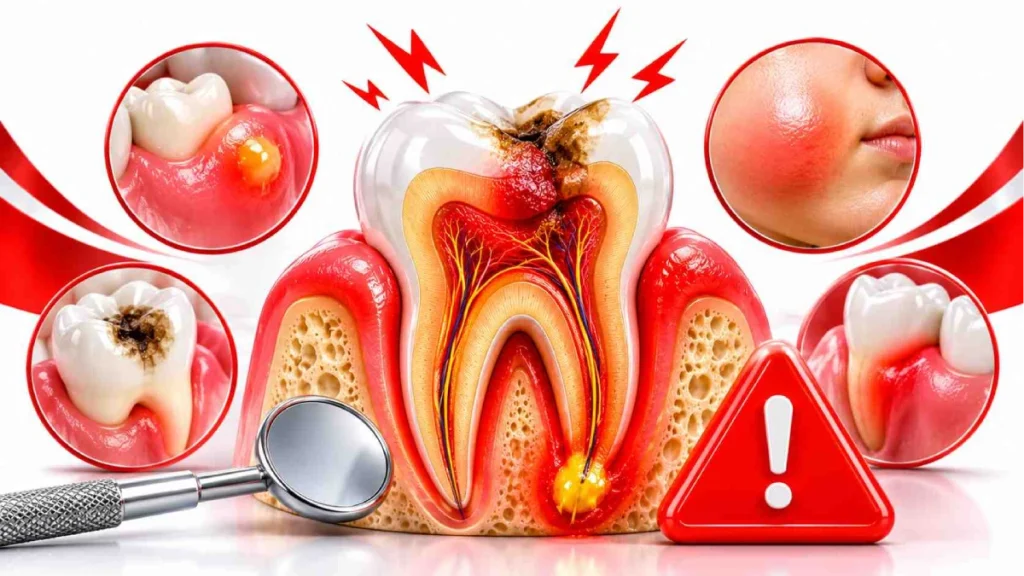
The clearest sign is strong, throbbing pain in one tooth that will not go away. Some toothaches can wait, but certain symptoms are a sign that the pulp inside the tooth is infected. A national NHANES study found that 1 in 4 adults age 30 and older had oral pain in the past year.
Severe or Throbbing Tooth Pain
The pain may feel sharp, throbbing, or constant. It often wakes you up at night or gets worse when you lie down.
Pain medicines like ibuprofen can dull the ache for a few hours. However, they do not treat the infection inside the tooth.
Pain When Biting or Chewing
A sharp jolt when you bite into foods like nuts, steak, or crusty bread is a warning sign. It can mean the infection has reached the root tip and the tissue around it.
This pain tends to grow over time if the tooth is not treated.
Sensitivity That Lingers
Brief sensitivity to cold drinks is common and usually harmless. Pain from hot coffee or ice water that lasts 30 seconds or more is different.
Lingering pain like this often means the pulp is inflamed or infected.
Swelling in the Gums, Face, or Jaw
Swelling shows the infection may be spreading beyond the tooth. You may notice a puffy gum, a swollen cheek, or tenderness along the jaw.
Swelling with fever or trouble swallowing needs care right away.
A Pimple or Drainage on the Gum
A small bump near the tooth may leak pus or leave a bad taste in your mouth. This is a common sign of a dental abscess.
The bump may shrink and return. The infection is still there, even when it looks better.
A Darker Tooth
A tooth that turns gray or brown can mean the nerve inside is dying. This often happens after an old injury, like a fall or a sports hit.
Get a darker tooth checked, even if it does not hurt.
Pain That Suddenly Stops
Sudden relief may feel like good news. In many cases, though, the nerve has died while the infection keeps spreading.
If you have any of these symptoms, book a same-day emergency root canal exam.
When Is Tooth Pain a Real Emergency?
Tooth pain is an emergency when it is severe, keeps you awake, or comes with swelling or fever. Some cases need a dentist the same day. Others need a hospital first.
Approximately 2.1 million emergency room (ER) visits each year are related to oral pain. However, the ER can offer only limited dental care.
Call Us Today If
- Pain lasts more than 2 days or keeps getting worse.
- Pain wakes you up at night.
- Pain medicines like ibuprofen stop working.
- Swelling stays near the tooth, like a puffy gum or small bump.
- A tooth cracks or breaks.
- An old root canal tooth starts hurting again.
Do not wait until after the weekend. An infection can grow in a few days.
Go to the ER First If…
- You have a fever with tooth pain or swelling.
- Swelling spreads to your eye, neck, or under your jaw.
- You have trouble breathing or swallowing.
- You cannot fully open your mouth.
The ER treats the spreading infection with medicines like IV antibiotics. Still, the tooth needs care afterward. Once you are stable, call us for your emergency root canal.
What to Do Before Your Appointment
Before your visit, manage the pain safely and avoid anything that can make the infection worse. These steps help you feel better while you wait. However, they do not treat the infection, so keep your appointment even if the pain fades.
Try these steps at home:
- Take ibuprofen or acetaminophen as the label directs.
- Hold a cold compress on your cheek for 15 minutes at a time.
- Rinse with warm salt water 2 to 3 times a day.
- Sleep with your head raised on 2 pillows.
What to Avoid
Some common home remedies can hurt more than help. They can burn the gums, spread swelling, or damage the tooth.
- Do not put aspirin directly on your gum.
- Do not use heat on your face or jaw.
- Do not chew hard foods like nuts or ice on that side.
- Do not pop or drain a gum bump yourself.
- Do not take extra acetaminophen from cold and flu medicines. The ADA notes that 4,000 mg per day has been associated with acute liver failure.
What Happens During an Emergency Root Canal?
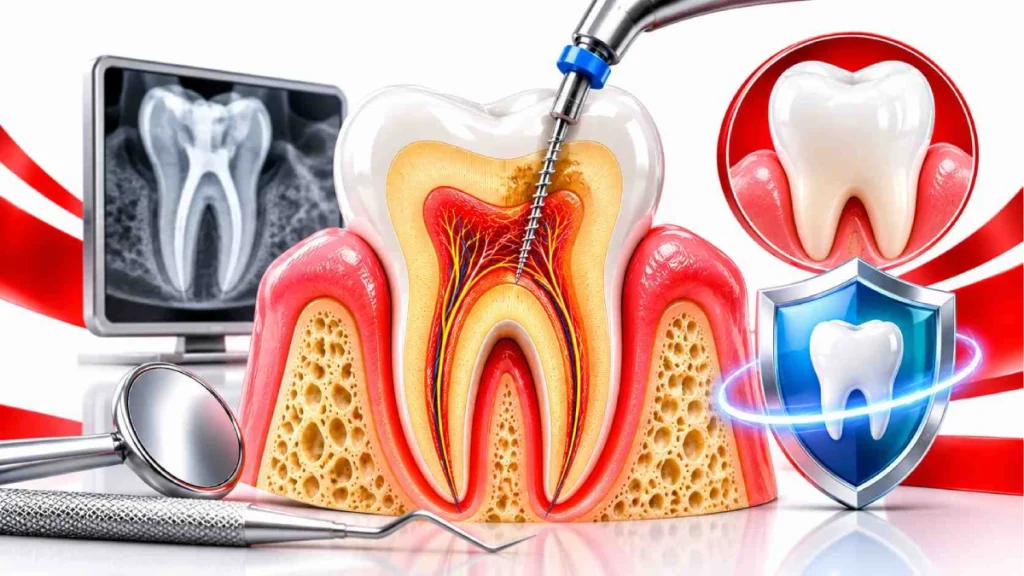
An emergency root canal removes the infected pulp, cleans the canals, and seals the tooth to stop the pain. Most visits take 60 to 90 minutes. We first confirm the problem with an exam and digital X-rays or a 3D CBCT scan.
Numbing an Infected Tooth
An infected tooth can be harder to numb because inflamed tissue weakens regular anesthetic. We handle this with extra anesthetic, a second type of injection, or more time for the numbness to set in.
Most patients feel pressure, not pain. AAE research shows that root canal patients are six times more likely to describe it as “painless” than patients who have not had root canal treatment.
The Treatment, Step by Step
- Isolate the tooth with a thin rubber dam.
- Make a small opening and take out the infected pulp.
- Clean and disinfect each canal.
- Seal the canals with gutta-percha.
- Close the tooth with a temporary filling.
Most of the pain eases once the pressure inside the tooth is released.
Is It Finished in One Visit?
Many emergency root canals are done in 1 visit. However, a badly infected tooth may need 2 visits, with medicine placed inside to calm the infection.
The second visit is usually 1 to 2 weeks later. Back teeth like molars and premolars often need a crown afterward to prevent cracks.
Why See an Endodontist for an Emergency Root Canal?
An endodontist is a dentist who specializes in root canals and saving natural teeth. Endodontists complete 2 to 3 additional years of specialized training after dental school. According to the AAE, endodontists perform 25 root canal treatments each week; general dentists perform fewer than 2.
Endodontists also use tools like 3D CBCT imaging, a surgical operating microscope, and Waterlase laser technology. These tools help find hidden canals and cracks, and they help clean infections more thoroughly. For an emergency root canal, this means faster relief and a better chance of saving your tooth.
Root Canal or Tooth Extraction: Which Is Better?
In most cases, a root canal is the better choice because it saves your natural tooth. According to UT Health San Antonio, root canal treatment has more than a 95% success rate in stopping infection, treating pain, and saving teeth. In an AAE survey, 71% of adults who have undergone a root canal procedure report they are glad they chose to have a root canal instead of a tooth extraction.
An extraction may look quicker or cheaper at first. However, the gap often needs a replacement like an implant, bridge, or partial denture. Without one, nearby teeth can shift and the jawbone can shrink over time. An extraction only makes sense when the tooth is too cracked or decayed to save. An emergency root canal exam shows which option fits your tooth.
How Much Does an Emergency Root Canal Cost?
In Boca Raton, an emergency root canal usually costs around $1,080 without insurance. Most cases fall between about $750 and $1,500, depending on the tooth and how severe the infection is. These are general estimates, not fixed prices, because every case is different. Front teeth and premolars often cost about $750 to $1,900, while molars can range from roughly $1,000 to $2,500 because they have more canals and take longer to treat.
Dental insurance can lower your out-of-pocket cost a lot. Most plans treat a root canal as major care and cover part of the fee after your deductible. At Tooth Savers, we check your benefits and give you a clear written estimate after your exam, so you know your exact cost before treatment starts.
Recovery and Aftercare
Most patients feel relief soon after an emergency root canal, with mild soreness for 2 to 3 days. The throbbing pain eases because the infected nerve is gone. The leftover tenderness comes from the treatment itself, and ibuprofen or acetaminophen usually controls it.
Until your permanent crown is placed, chew on the other side and choose soft foods like eggs, yogurt, or pasta. The tooth is weaker after treatment and can crack if you bite down hard. Keep brushing and flossing gently, and finish any antibiotics we prescribe.
Some signs need a quick follow-up visit. These include pain that gets worse after day 3, swelling that returns, a loose temporary filling, or a rash from a medicine. These problems are rare, and we treat them right away.
Get Same-Day Emergency Root Canal Care in Boca Raton
Ongoing tooth pain, swelling, or other signs of infection can get worse if you wait. Emergency root canal treatment clears out the infection, eases the pain, and saves your natural tooth before the damage spreads. With modern endodontics, most infected teeth can be saved.
At Tooth Savers in Boca Raton, we offer prompt, specialized care for patients with severe toothaches and infected teeth. Whether you need a quick evaluation or treatment the same day, we’re here to get you comfortable again and protect your smile. Call us at (561) 368-3636 or book your emergency appointment for fast relief.
FAQs
What can I do to get immediate relief for root canal pain?
Take ibuprofen or acetaminophen as the label directs and hold a cold compress on your cheek for 15 minutes. These steps ease the pain for a few hours, but only treatment removes the infection causing it.
How do I help tooth pain until I can get a root canal?
Rinse with warm salt water, chew on the other side, and sleep with your head raised. Avoid heat on your face and do not put aspirin on your gum.
What is the best pain relief for a toothache before a root canal?
The American Dental Association recommends NSAIDs like ibuprofen, alone or with acetaminophen, as the first choice for dental pain. Follow the label and check with a pharmacist if you take other medicines.
Can antibiotics fix a tooth infection without a root canal?
No, antibiotics cannot reach the infection inside the tooth. They may reduce swelling for a short time, but the infection returns unless the pulp is removed.
What happens if I wait too long for a root canal?
The infection can spread to the jawbone, nearby teeth, or other parts of the body. Waiting can also leave the tooth too damaged to save, so extraction becomes the only option.
Can a tooth that already had a root canal need emergency treatment?
Yes, a treated tooth can become infected again from a missed canal, a crack, or a leaking crown. An endodontist can often save it with root canal retreatment.