Dentist appointment visits are about more than a quick cleaning. They are your best chance to learn what is really happening with your teeth and gums. Yet many patients sit quietly in the chair, finish their checkup, and leave without asking anything. A few simple questions can give you clearer answers, better advice, and more …

Dentist appointment visits are about more than a quick cleaning. They are your best chance to learn what is really happening with your teeth and gums. Yet many patients sit quietly in the chair, finish their checkup, and leave without asking anything. A few simple questions can give you clearer answers, better advice, and more confidence in the care you receive.
Whether you are thinking about your daily oral hygiene, a future treatment plan, or ways to prevent problems before they start, your dentist can offer guidance that fits your needs. Since your oral health also affects your overall wellbeing, it pays to come prepared.
How to Prepare for Your Dentist Appointment
To prepare for a dentist appointment, bring your questions, a medicine list, your symptoms, and your insurance card. These 4 items take about 10 minutes to gather. They turn a rushed visit into a useful one.
It is easy to forget a concern once you sit in the chair. A short written list solves this. It also helps your dentist connect your general health to your mouth.
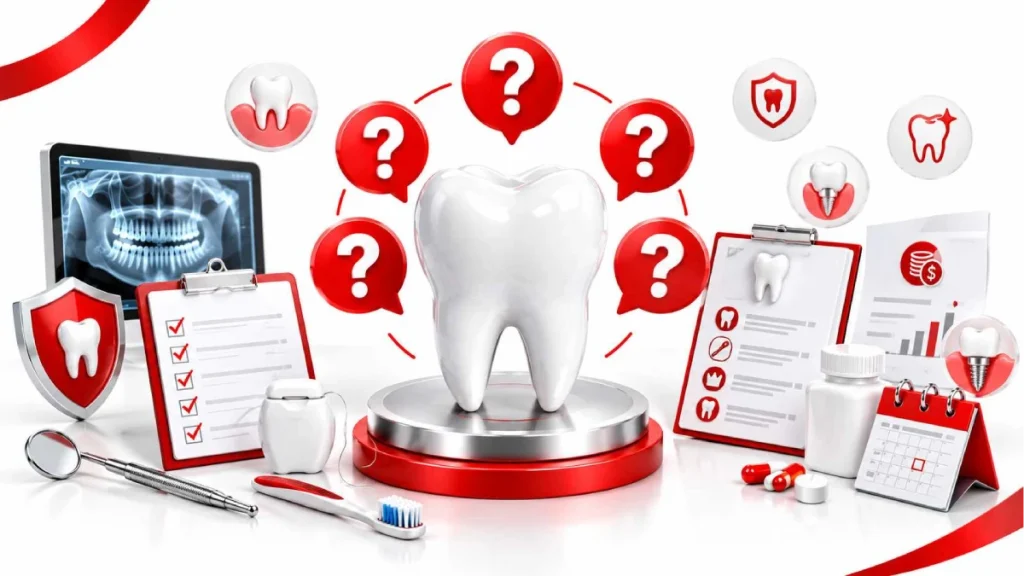
- Write down 3 to 5 questions. Keep them in your phone’s notes app or on a small card.
- List every medicine you take. Include prescriptions like blood pressure pills, over-the-counter drugs like antihistamines, and supplements like vitamin D or fish oil.
- Track your symptoms for 1 to 2 weeks. Note signs like bleeding gums, pain with cold drinks, or jaw clicking. Write down when each one started.
- Share recent health changes. Mention events like a new diagnosis, pregnancy, or surgery in the past 12 months.
- Bring your insurance card and photo ID. The front desk can then check your coverage before any treatment.
- Arrive 10 to 15 minutes early. This gives you time to update forms like your medical history.
If you feel nervous, tell the dental office when you book. You are not alone. A 2025 study in The Journal of the American Dental Association found that 72.6% of U.S. adults fear going to the dentist.
Your dental team can help with small changes. For example, they can book a longer time slot or explain each step first. You can also agree on a hand signal, like a raised hand, to pause.
1. How Healthy Are My Teeth and Gums Right Now?
Ask your dentist for a clear report on your teeth, gums, and bite at every dentist appointment. This helps spot early problems like cavities, gum disease, and worn enamel. Catching them early keeps treatment simple and affordable.
Many dental problems grow for years without any pain. In fact, 42.2% of U.S. adults aged 30 and older have periodontitis, a serious gum infection . Most people with it do not know they have it until a dentist checks.
2. Am I Brushing and Flossing Correctly?
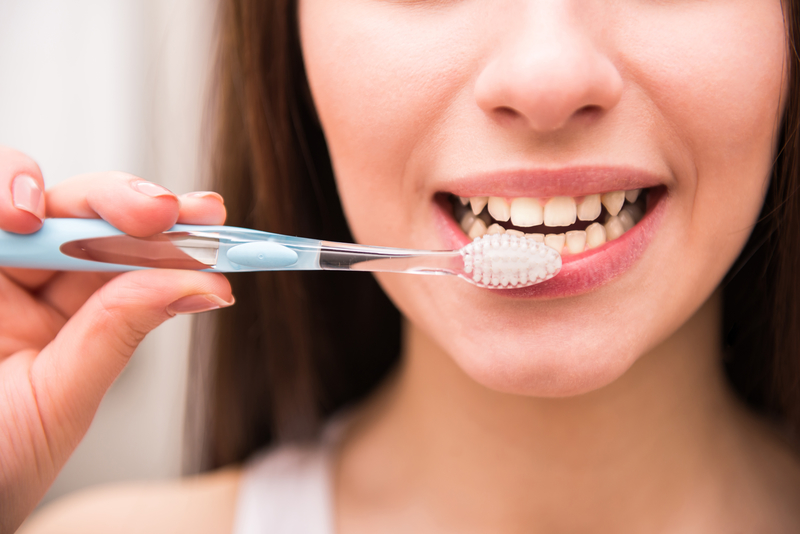
Ask your dentist or hygienist to check your brushing and flossing technique. They can see plaque in the spots you miss, like back molars, inner surfaces, and the gum line. A small change, such as a better brush angle or a water flosser, can make a big difference.
Flossing is the step most people skip. A CDC-led study found that 32.4% of U.S. adults aged 30 and older never floss, and only 30.3% floss daily . Plaque left between teeth hardens into tartar, which only a professional cleaning can remove.
3. What Can I Do to Prevent Future Dental Problems?
Ask your dentist which preventive steps match your risk for cavities and gum disease. Common options include fluoride treatment, dental sealants, and a night guard for teeth grinding. Your dentist may also suggest more frequent cleanings or diet changes, like cutting back on sugary drinks.
Prevention costs far less than treatment. For example, dental sealants on back teeth prevent 80% of cavities for 2 years and 50% for up to 4 years. Ask how often you need checkups, since some people need visits every 3 to 4 months instead of 6.
4. Is This Treatment Necessary, and What Will It Cost?
Ask whether a treatment is urgent or safe to monitor, and get a written cost estimate before you agree. Some small cavities can wait, while others need care now to avoid a root canal later. Knowing your options and insurance coverage helps you decide with confidence.
Cost is the main reason adults delay dental care. An ADA Health Policy Institute survey found that 59% of adults who skipped a yearly visit named cost as the reason . Ask about payment plans, and get a second opinion for large treatments like crowns or implants.
5. Could My Health or Medications Be Affecting My Teeth?
Yes, many health conditions and medicines affect your mouth, so share your full medical history with your dentist. Medicines like allergy pills, antidepressants, and blood pressure drugs can cause dry mouth and raise your cavity risk. Conditions like diabetes and pregnancy can also make gum problems worse.
Dry mouth is one of the most common side effects. More than 500 medicines can cause it, according to the American Pharmacists Association and the ADA. Bring an updated medicine list to every visit, and ask if anything you have should be shared with your family doctor.
Common Mistakes to Avoid at Your Dental Visit
The most common mistakes are staying quiet, hiding health details, and skipping visits when nothing hurts. Each one can turn a small problem into a costly one.
- Thinking no pain means no problem. Cavities and gum disease can grow for years without pain.
- Not listing your medicines. Drugs like blood thinners and antihistamines can change your dental care.
- Hiding health changes. Pregnancy, diabetes, or a recent surgery affects your treatment plan.
- Saying yes to treatment without asking why. Ask if it is urgent or safe to monitor.
- Skipping the cost question. Get a written estimate before treatment starts.
- Staying quiet out of embarrassment. Your dentist has seen it all and is there to help.
- Forgetting your questions. Write 3 to 5 questions down before your dentist appointment.
- Skipping checkups when teeth feel fine. Regular visits catch problems while they are small and cheap to fix.
Make the Most of Your Next Dentist Appointment
Asking the right questions turns a routine checkup into a valuable conversation about your oral health. These five questions help you understand your current condition, explore your treatment options, and build daily habits that protect your smile for years to come. Taking an active role in your care also helps you and your dentist make better decisions together, so we encourage you to bring all five to your next dentist appointment.
If you are ready to schedule a visit or have questions about your oral health, Dr. Glen Mitchell and the Toothsavers team are here to help. Call (561) 368-3636, visit us at 900 Glades Road, Suite 3A, Boca Raton, FL 33431, or request an appointment online today.