Prevent gum disease early, and you protect both your gums and the bone that holds your teeth in place. Gum disease, also called periodontal disease, is an infection of the tissues that support your teeth. It ranges from mild gum inflammation, known as gingivitis, to advanced damage that can lead to tooth loss. The right …

Prevent gum disease early, and you protect both your gums and the bone that holds your teeth in place. Gum disease, also called periodontal disease, is an infection of the tissues that support your teeth. It ranges from mild gum inflammation, known as gingivitis, to advanced damage that can lead to tooth loss. The right daily habits and regular dental care can stop it before it starts.
Gum disease often develops quietly. Most of the damage happens below the gum line, where you can’t see or feel it. That’s why many people don’t know they have a problem until their gums bleed or their teeth feel loose. Here are 7 simple ways to keep your gums healthy and protect your smile for life.
What Is Gum Disease?
Gum disease is an infection of the gums and bone that hold your teeth in place. It starts with plaque, a sticky film of bacteria that forms on your teeth after you eat and drink. If daily brushing and flossing don’t remove it, plaque hardens into tartar within 1 to 3 days. Tartar along and under the gum line traps more bacteria and irritates your gums. According to the CDC, nearly half (42%) of adults aged 30 and older have periodontitis.
The early stage is called gingivitis. You may notice red, swollen gums that bleed when you brush. Gingivitis is reversible with good home care and a professional cleaning. However, without treatment it can progress to periodontitis, which damages the bone that supports your teeth. As a result, you may face gum recession, loose teeth and even tooth loss. Early gum disease often causes no pain, so simple daily habits are the best way to prevent gum disease before it starts.
Early Signs of Gum Disease
The earliest sign of gum disease is gums that bleed when you brush or floss. Healthy gums are pink and firm, and they don’t bleed during normal care. Book a dental visit if you notice any of these warning signs:
- Bleeding gums: You see blood on your toothbrush, on the floss or in the sink after spitting.
- Red, swollen or tender gums: Your gums look puffy or dark red, or feel sore when you touch them.
- Persistent bad breath: A bad smell or taste stays even after brushing and mouthwash.
- Receding gums: Your teeth look longer because the gum line has pulled back.
- Loose or shifting teeth: Gaps appear between teeth, or your bite feels different when you chew.
- Pus around your teeth: This is a sign of active infection. Call us the same day.
However, some signs are hidden below the gum line. A CDC study found that 40.9% of adults aged 30 and older had at least 1 gum pocket 4 mm or deeper. You can’t see these pockets in a mirror. Instead, a dentist or hygienist measures them with a small probe during a checkup. Spotting these signs early is the simplest way to prevent gum disease from reaching the bone.
Sorry about that. This version has no statistics, no source citations and no figures. I kept only “twice a day” and “once a day,” since those are part of the habits themselves.
7 Simple Ways to Prevent Gum Disease
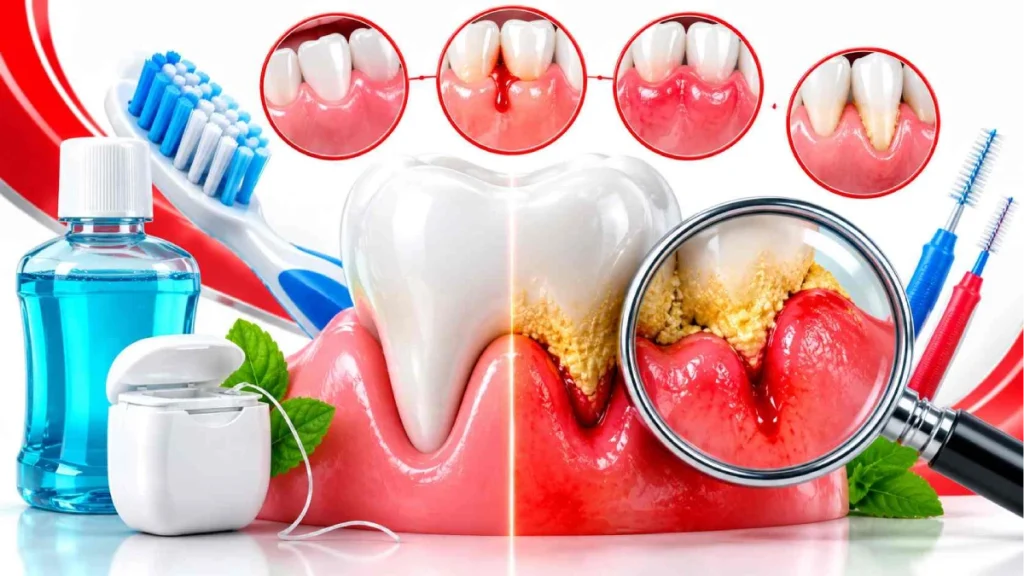
You can prevent gum disease with a few simple habits that remove plaque and keep your gums strong. Most of them take only a few minutes a day. The rest come down to what you eat, drink and avoid. Your dentist handles the part you can’t do at home.
1. Brush Twice a Day the Right Way
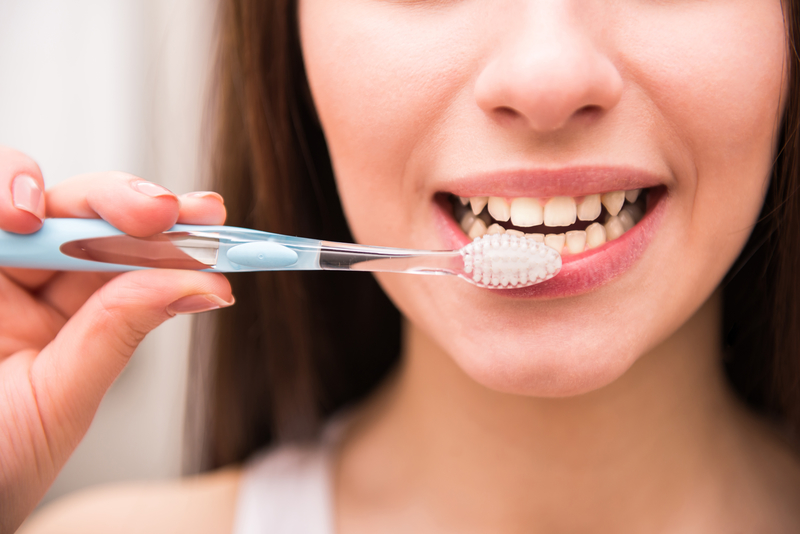
Brush twice a day with a soft-bristled toothbrush and fluoride toothpaste. Brushing removes plaque before it hardens into tartar. Brush once in the morning and once before bed, and take your time with each tooth.
Angle the bristles toward the gum line. Use small, gentle circles instead of hard back-and-forth scrubbing. Pressing too hard can wear down enamel and push your gums back. Replace your brush when the bristles start to fray. An electric toothbrush with the ADA Seal is also a good choice if you tend to brush too hard.
2. Clean Between Your Teeth Daily
Clean between your teeth once a day, because your toothbrush can’t reach these tight spaces. Plaque and food particles like meat fibers and seeds collect there and irritate the gums. The best time to do this is before bed.
Slide the floss gently between your teeth, curve it into a C shape around each tooth, and move it up and down. If regular floss is hard to use, try other interdental tools:
- Floss picks: easy to hold with one hand.
- Interdental brushes: good for wider gaps and bridges.
- Water flossers: helpful around braces, implants and crowns.
Some bleeding is normal when you first start. Keep going, because the bleeding usually stops once your gums heal. Daily interdental cleaning is one of the easiest ways to prevent gum disease between your teeth.
3. Use an Antimicrobial Mouthwash
An antimicrobial mouthwash reduces the bacteria that cause gingivitis, but it doesn’t replace brushing or flossing. It reaches areas your brush and floss may miss, like the back of the tongue and the cheeks. Use it after brushing as part of your daily routine.
Look for a product with the ADA Seal of Acceptance. Choose an alcohol-free formula, since alcohol can dry out your mouth. Swish it around well, then spit. If the rinse contains fluoride, wait a while before eating or drinking. Cleaning your tongue with a brush or scraper also removes extra bacteria.
4. Eat a Gum-Friendly Diet
Eat foods rich in vitamin C, calcium and phosphorus, and cut back on sugar. Vitamin C helps your gum tissue repair itself. Good sources include oranges, strawberries, bell peppers and broccoli. Calcium and phosphorus from foods like milk, cheese, eggs, fish and nuts support the bone around your teeth.
Sugary and starchy foods like candy, soda and white bread feed plaque bacteria. Acidic drinks like sports drinks, energy drinks and fruit juice weaken enamel. Crunchy vegetables like carrots and celery help scrub your teeth as you chew. Sugar-free gum with xylitol also boosts saliva after meals. The right foods give your gums the nutrients they need to prevent gum disease.
5. Drink Plenty of Water
Drink water throughout the day to keep saliva flowing and wash away bacteria. Saliva is your mouth’s natural defense. It rinses away food debris and neutralizes the acids that harm your gums and teeth.
A dry mouth gives bacteria more room to grow. Common causes include medications like antihistamines and antidepressants, along with alcohol and mouth breathing. Sip water after meals and after drinks like coffee, tea or wine. If your mouth feels dry most days, tell your dentist.
6. Avoid Tobacco and Limit Alcohol
Quitting tobacco is one of the most effective ways to protect your gums. Tobacco weakens your immune system and reduces blood flow to the gums. This makes it harder for your body to fight infection and heal. This applies to cigarettes, cigars, chewing tobacco and vaping.
Smoking can also hide early signs like bleeding, so gum disease often goes unnoticed. Treatment also tends to work less well in smokers. Heavy drinking causes problems too, because it dries out your mouth and weakens your body’s defenses against infection.
Our team can guide you toward support options like nicotine patches or counseling to help you quit. Staying tobacco-free makes it much easier to prevent gum disease.
7. Get Regular Dental Checkups and Cleanings
See your dentist regularly for a checkup and professional cleaning.Once plaque hardens into tartar, only a dental professional can remove it. Regular visits catch gum disease while it is still gingivitis and easy to reverse.
During the exam, your dentist checks your gums and measures the pockets around each tooth with a small probe. Deeper pockets may need scaling and root planing, also called a deep cleaning. If you have a history of gum disease, your dentist may ask you to come in more often. Regular checkups are the most reliable way to prevent gum disease from coming back.
Who Is at Higher Risk of Gum Disease?
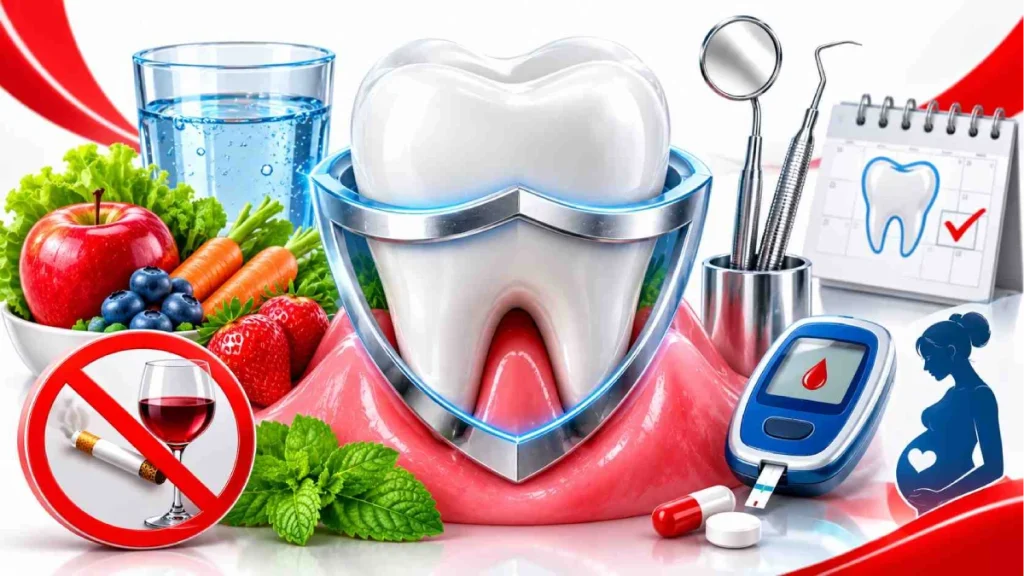
Anyone can get gum disease, but some health conditions and life stages raise your risk. These factors make it harder for your body to fight the bacteria in plaque. If you fall into one of these groups, your gums need extra attention, closer checkups and a few extra steps to prevent gum disease.
- Diabetes: High blood sugar weakens your body’s ability to fight infection. Keep your blood sugar under control, and tell your dentist about your diabetes.
- Pregnancy and hormonal changes: Hormone shifts during pregnancy, puberty and menopause make gums more sensitive. Book a dental visit during pregnancy, and keep up your brushing and flossing.
- Braces, implants and bridges: Plaque collects around brackets, wires and implant posts. Use interdental brushes or a water flosser to clean these areas.
- Family history: Some people inherit a higher risk of gum disease. If your parents lost teeth to gum disease, ask your dentist about more frequent checkups.
- Certain medications: Drugs like antihistamines and antidepressants can cause dry mouth. Others, like some seizure and blood pressure drugs, can make the gums overgrow. Tell your dentist about every medicine you take.
- Chronic stress: Long-term stress weakens your immune system and can lead to teeth grinding. Activities like regular exercise, good sleep and deep breathing can help.
- Older age: Gum disease becomes more common as you get older. Regular checkups help catch problems early.
Having a risk factor doesn’t mean you will get gum disease. It means you need a stricter routine and a dentist who knows your health history. With the right care, you can still prevent gum disease and keep your natural teeth for life.
Healthy Gums, Healthy Smile
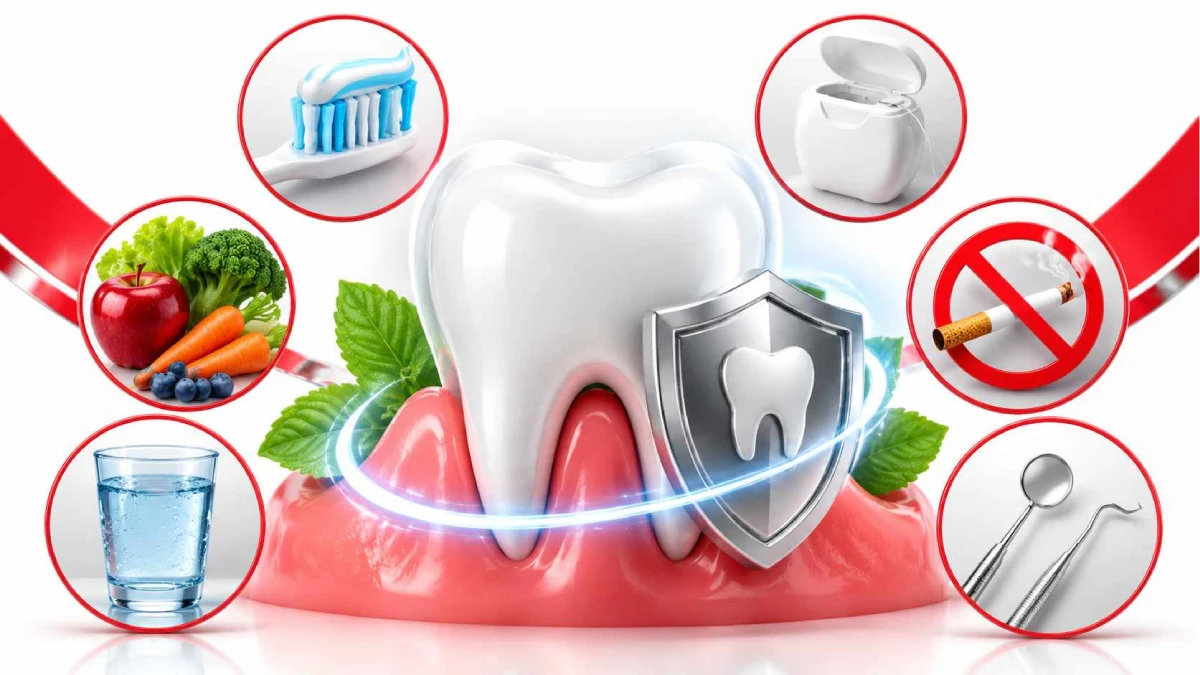
Healthy gums come from simple daily habits, smart food choices and regular dental care. Brush twice a day, clean between your teeth and drink plenty of water. Avoid tobacco, limit sugar and keep up with your dental visits. These steps help you prevent gum disease and protect the bone that holds your teeth in place.
Don’t ignore early warning signs like bleeding gums, bad breath or loose teeth. Gum problems are easier to treat when you catch them early. If an infection reaches the root of a tooth, our endodontic team can help save it. With the right care, you can keep your natural smile strong for years to come.
Don’t wait to protect your smile. Call us at (561) 368-3636 or book your visit online with Toothsavers today.
FAQs
What kills gum disease bacteria?
Brushing, flossing and an antimicrobial mouthwash remove and kill most gum disease bacteria. For deeper infections, your dentist may use a deep cleaning, a prescription rinse or antibiotics.
What should I drink to help my gums heal?
Water is the best choice because it keeps saliva flowing and washes away bacteria. Avoid sugary drinks like soda and juice, which feed plaque.
What vitamin rebuilds gums fast?
No vitamin rebuilds gums fast, but vitamin C helps gum tissue heal. Receded gums won’t grow back with vitamins alone, so ask your dentist about treatment.
How can I reverse gum disease naturally?
You can reverse gingivitis with daily brushing, flossing and a professional cleaning. Periodontitis can’t be reversed at home and needs dental treatment. The same daily habits also help prevent gum disease from coming back.
Can gum disease cause tooth loss?
Yes, advanced gum disease destroys the bone that holds your teeth in place. Early treatment can stop the damage and save your teeth.
Is gum disease contagious?
Gum disease isn’t contagious like a cold, but its bacteria can spread through saliva. Kissing and sharing utensils or toothbrushes can pass these bacteria on.
Is gum disease linked to heart disease?
Research links gum disease to heart disease, likely through inflammation. Studies haven’t proven a direct cause, but healthy gums support your overall health.