Sensitive teeth start when the protective enamel thins and the softer dentin underneath is exposed. Then hot drinks, cold treats or sugary foods can set off a sharp twinge.Sometimes the sensitivity points to a bigger problem, such as gum disease, tooth decay, or a cracked tooth. At Toothsavers in Boca Raton, our team finds the …

Sensitive teeth start when the protective enamel thins and the softer dentin underneath is exposed. Then hot drinks, cold treats or sugary foods can set off a sharp twinge.Sometimes the sensitivity points to a bigger problem, such as gum disease, tooth decay, or a cracked tooth. At Toothsavers in Boca Raton, our team finds the cause and treats it for lasting relief.
What Are Sensitive Teeth?
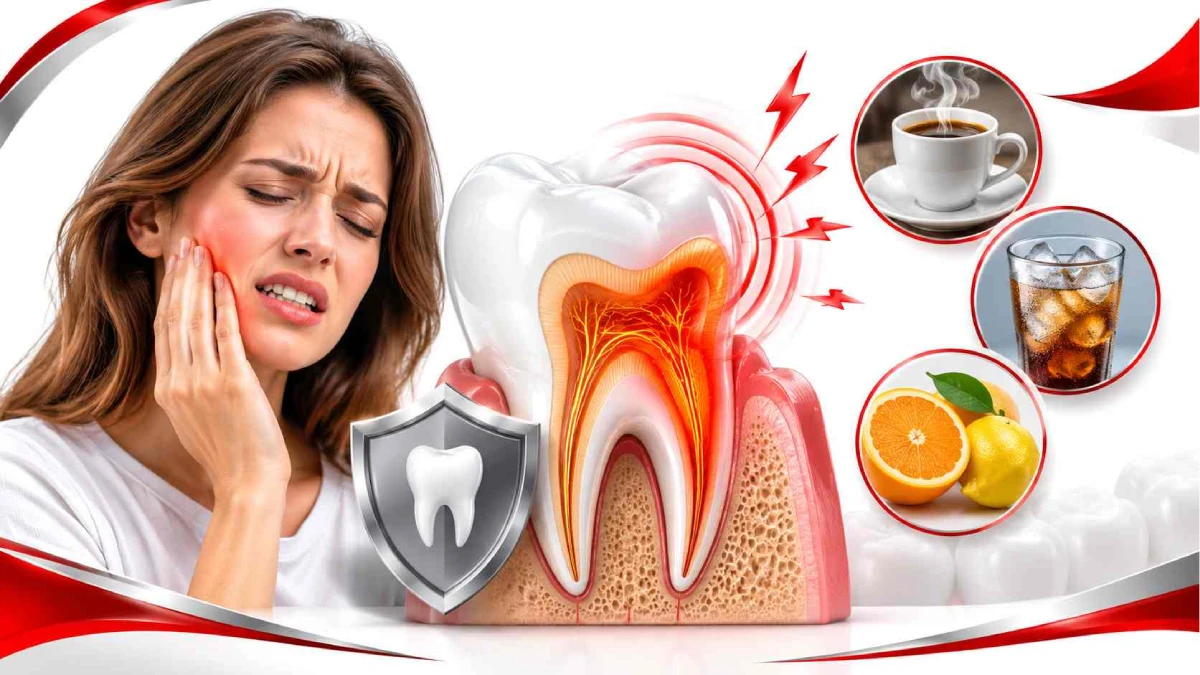
Sensitive teeth are teeth that hurt for a few seconds when you eat or drink something cold, hot, sweet or sour. Dentists call this dentin hypersensitivity. It happens when the hard outer layer of your tooth, called enamel, wears thin. This exposes the softer layer underneath, called dentin.
Dentin has tiny tubes that lead to the center of your tooth, where the nerve lives. These tubes let triggers like ice water, hot coffee or candy reach the nerve. As a result, you feel a quick, sharp pain.
This can happen when your gums pull back or your enamel wears down over time. It’s common . In a study in the Journal of the American Dental Association, 12.3% of adults at general dental practices had confirmed tooth sensitivity. That’s about 1 in 8 people. However, the pain can also point to a bigger problem, like a cavity, gum disease or a cracked tooth. If the pain lingers after the trigger is gone, it usually needs a dental exam.
Common Causes of Sensitive Teeth
Sensitive teeth happen when enamel wears thin or gums pull back, which leaves the dentin open. The most common causes are:
- Acidic foods and drinks: Citrus fruits, soda and wine soften enamel over time.
- Brushing too hard: A hard-bristled toothbrush or heavy pressure wears enamel down.
- Gum recession: Receding gums expose the root, which has no enamel.
- Gum disease: Gingivitis and periodontitis damage gums and uncover roots.
- Teeth grinding (bruxism): Night grinding wears enamel and can cause tiny cracks.
- Acid reflux (GERD): Stomach acid slowly erodes enamel from the inside.
- Teeth whitening: Strips, gels and in-office whitening can cause short-term sensitivity.
- Recent dental work: Fillings, crowns and deep cleanings can cause sensitivity that lasts a few days or weeks.
Gum recession is a major risk factor. In a Journal of the American Dental Association study, 17.1% of people with receding gums had sensitive teeth, compared with 4.6% of people without recession.
However, these causes usually affect several teeth. If only one tooth hurts, a cavity, crack or nerve problem is more likely. The next section covers those.
Why Is Only One Tooth Sensitive?
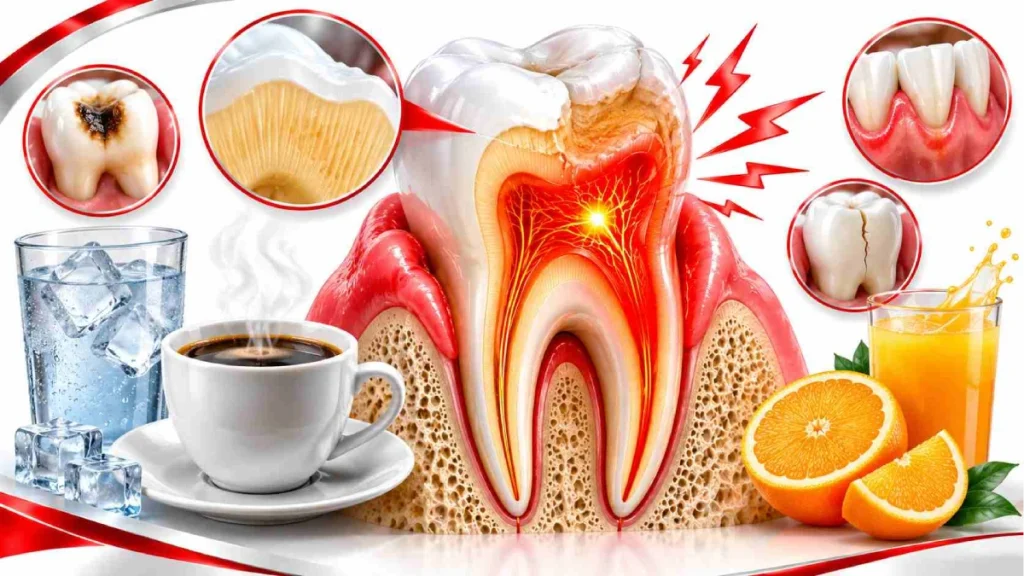
When only one tooth is sensitive, the cause is usually a problem in that tooth, not general enamel wear. Common culprits include a cavity, a leaking filling, a crack or an irritated nerve. Recent work on that tooth, like a new filling or crown, can also cause it.
Unlike sensitivity across several teeth, pain in a single tooth often won’t improve with sensitivity toothpaste alone. We look for the cause inside the tooth, such as an inflamed nerve or a crack, and treat it at the source.
Tooth Decay or a Leaking Filling
A cavity can make one tooth sensitive to sweets, cold drinks and hot foods. Decay eats through the enamel and reaches the dentin. Untreated decay is common. Nearly 21% of U.S. adults aged 20 to 64 have at least one untreated cavity, according to the CDC.
Old fillings can cause the same pain. Over time, fillings can crack, wear down or pull away from the tooth. This leaves tiny gaps where bacteria and new decay can get in. Your general dentist can replace it with a new filling or a crown. If decay has reached the nerve, our team can save the tooth with a root canal.
A Cracked Tooth
A cracked tooth often hurts when you bite down, and the pain stops when you release. It may also react to cold or hot drinks. Cracks are common in back teeth, like molars, which handle most of the chewing force.
Many cracks are too small to see. Some don’t even show up on X-rays. Grinding, chewing ice and biting hard candy can all cause them. Early treatment, like bonding or a crown, can stop a crack from spreading to the nerve or the root.
Nerve Inflammation (Pulpitis)
Pulpitis is inflammation of the pulp, the soft tissue inside the tooth that holds the nerve. In reversible pulpitis, pain is sharp but short and fades within seconds. The nerve can heal once the cause, like a cavity, is treated.
Irreversible pulpitis is more serious.The pain lasts 30 seconds or longer, gets worse with heat, or starts on its own. It may wake you at night. At this stage, the nerve can’t heal, and the tooth needs a root canal or an extraction. Pain that suddenly stops can also be a warning sign. It may mean the nerve has died.
Infection or Abscess
An abscess is a pocket of infection at the root of a tooth or in the gums. It often starts when decay or a crack lets bacteria reach the pulp. Signs include constant throbbing pain, pain when chewing and a pimple-like bump on the gum.
Other warning signs include facial swelling, a bad taste in your mouth and fever.An abscess will not heal on its own, so call us the same day. We offer same-day emergency appointments . Treatment includes draining the infection, a root canal or removing the tooth. Antibiotics help control the spread but don’t fix the source.
Normal Sensitivity or a Warning Sign?
Normal sensitivity is a quick, sharp zing that fades within a few seconds once the trigger is gone. It often affects several teeth and reacts to cold, sweet or sour foods. It stays mild and doesn’t get worse over time.
A warning sign is pain that lingers for 30 seconds or longer, keeps getting worse, or starts with no trigger. Pain in one tooth, or pain from heat or biting, also points to a deeper problem. These signs mean your sensitive teeth need a dental exam.
When Sensitivity Usually Fades on Its Own
Sensitivity after whitening or dental work usually fades within a few days to 2 weeks. Whitening is a common cause. Sensitivity affects 37% to 90% of people who whiten their teeth at home, and it usually fades once whitening stops.
New fillings, crowns and deep cleanings can also cause mild sensitivity for 1 to 2 weeks. A soft toothbrush and fewer acidic drinks, like soda and juice, can help too. If you use a sensitivity toothpaste like Sensodyne, give it 2 to 4 weeks of twice-daily use.
Signs It’s Something More Serious
Call our office if your sensitive teeth still hurt after 2 weeks or the pain lingers after the trigger is gone. Other signs include pain from hot drinks, pain when you bite and throbbing that wakes you at night. One tooth that keeps getting worse is also a red flag.
Swelling in your face or gums, a bad taste or a fever can mean an infection. Also, watch for pain that suddenly stops after days of aching. This can mean the nerve has died, not healed. If you notice any of these signs, call us the same day so our team can find the cause.
What Happens If You Ignore Sensitive Teeth?
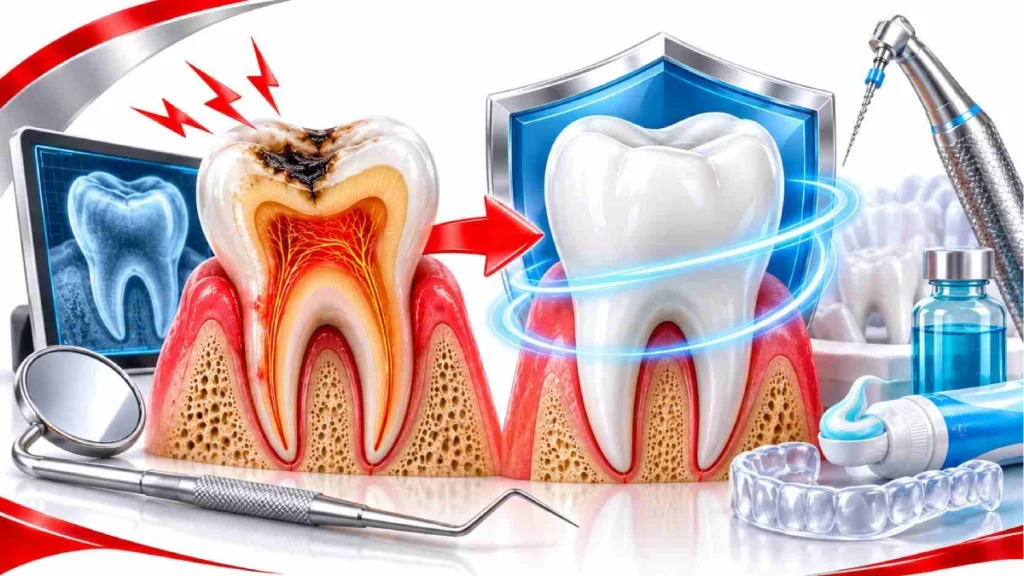
If you ignore sensitive teeth, the cause can get worse, and a simple fix can turn into major treatment. Worn enamel keeps wearing down, and receding gums keep exposing more of the root. A small cavity can grow until it reaches the nerve. A tiny crack can spread down into the root.
At that point, treatment options change. A filling or bonding may no longer be enough, and the tooth may need a crown, a root canal or an extraction. Untreated infections can also spread to the jaw and face. Tooth loss is common. According to the CDC, more than 1 in 10 adults aged 65 to 74 have lost all their teeth. Treating the cause early is the best way to save the tooth and avoid bigger costs.
When Should You See a Dentist?
See us if your sensitivity lasts longer than 2 weeks, affects just one tooth, keeps coming back, or hasn’t eased after a new filling or crown. For swelling, a fever, or pain that wakes you up at night, call us the same day..
Home care alone often isn’t enough for sensitive teeth. Desensitizing toothpaste and rinses can dull the discomfort, but they don’t fix what’s causing it. A dental exam finds the real source, so treatment can solve the problem instead of just covering up the pain.
How Our Team Finds the Cause
We start with a full exam and ask about your pain: what triggers it, how long it lasts and which tooth hurts. Then we check for decay, worn enamel, receding gums and old fillings. A cold test shows how the nerve responds.
A bite test helps find cracks, and a light tap checks for inflammation at the root. Digital X-rays show decay and infection. For cracks that X-rays miss, a 3D CBCT scan gives us a clearer view.
How Sensitive Teeth Are Treated
Sensitive teeth are treated by fixing the cause, like worn enamel, receding gums or a damaged nerve. Mild cases often improve with fluoride and a sensitivity toothpaste. Deeper problems, like cavities and cracks, need in-office treatment.
Mild cases are usually treated by your general dentist. When the nerve is inflamed or a tooth is cracked, our team focuses on saving the tooth.
Professional Treatments
In-office treatments seal or repair the exposed parts of the tooth. Your general dentist can apply fluoride varnish or bonding over exposed roots. A gum graft can protect roots when gums have receded, and a custom night guard protects teeth from grinding.
When the problem is inside the tooth, our team at Toothsavers steps in. We treat cracked teeth, inflamed or infected nerves and failed root canals. A root canal removes the damaged pulp, ends the pain and saves your natural tooth. According to the American Association of Endodontists, more than 15 million root canal treatments are performed every year.
At-Home Care and Prevention
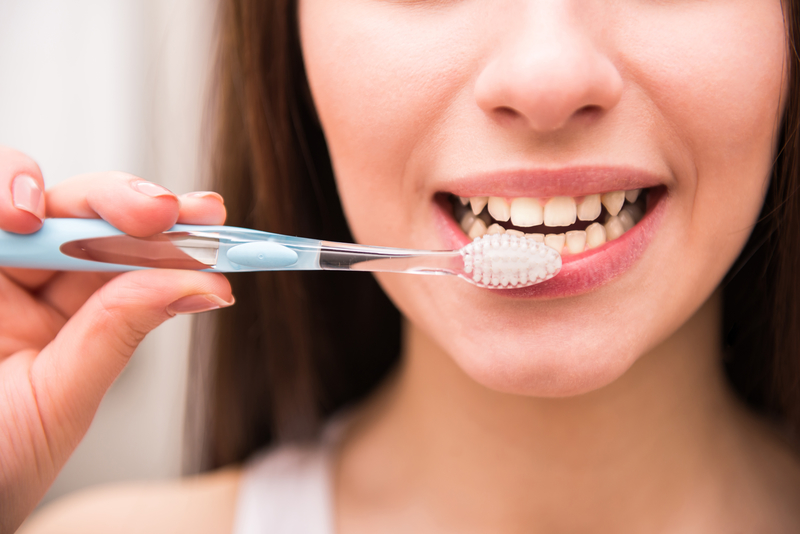
Use a sensitivity toothpaste with potassium nitrate or stannous fluoride twice a day, and brush with a soft toothbrush. Brands like Sensodyne and Colgate Sensitive take 2 to 4 weeks to work. Spit after brushing, but don’t rinse, so the ingredients stay on your teeth.
Limit acidic foods and drinks, like soda, citrus and wine. Wait 30 to 60 minutes after eating them before you brush. Floss daily, and see your general dentist every 6 months for cleanings and checkups.If you grind your teeth or have acid reflux, treating it early protects your enamel.
Don’t Ignore Lasting Tooth Sensitivity
Sensitive teeth that hurt for more than 2 weeks are a sign that a tooth needs attention. Short, mild sensitivity often fades with a soft toothbrush, sensitivity toothpaste and fewer acidic drinks. Pain that lingers, gets worse or stays in one tooth usually means a cavity, a crack or an irritated nerve.
Finding the cause early keeps treatment simple and helps save your natural tooth. Our endodontic team uses careful testing and 3D imaging to find out exactly why your tooth hurts. Then we treat the cause, not just the pain.
Save your natural tooth before a small problem grows. Book your visit at Toothsavers.
FAQs
Why won’t my tooth sensitivity go away?
If sensitive teeth keep hurting, there’s often a problem that home care can’t solve. It may be a cavity, a crack, a leaking filling or an inflamed nerve. An exam helps find the exact cause so you get the right treatment.
How do I stop extremely sensitive teeth?
To ease the pain for now, stay away from very hot, cold and acidic foods. Use a straw for drinks and brush gently with a soft toothbrush. If the pain is strong or keeps returning, schedule an exam so our team can find the cause.
What illness makes your teeth sensitive?
Acid reflux (GERD) is one of the most common causes. Stomach acid reaches the mouth and wears down enamel over time. Gum disease and sinus infections can also make teeth feel sensitive. Dry mouth from conditions like diabetes can have the same effect.
How long should tooth sensitivity last?
After whitening, sensitivity usually goes away within 1 to 2 days. After a new filling or crown, it may take 1 to 2 weeks to settle. If it’s still there after 2 weeks, book a dental exam..
Does tooth sensitivity mean I need a root canal?
Not in most cases. Worn enamel and receding gums cause most tooth sensitivity. You may need a root canal if the nerve is badly inflamed or infected. Watch for pain that starts on its own, wakes you at night or comes with swelling.
Is sensitivity to heat worse than sensitivity to cold?
Yes, in most cases. A quick zing from cold usually means the dentin is exposed. Pain from heat that lingers often points to an inflamed nerve, so book an exam soon.
.