Sensitive teeth can turn a sip of cold water or a breath of winter air into a sharp jolt of pain. You may feel it most when you move between cold air and warm rooms. Even your morning coffee can start to feel like a risk. This pain is common, and it isn’t just a …

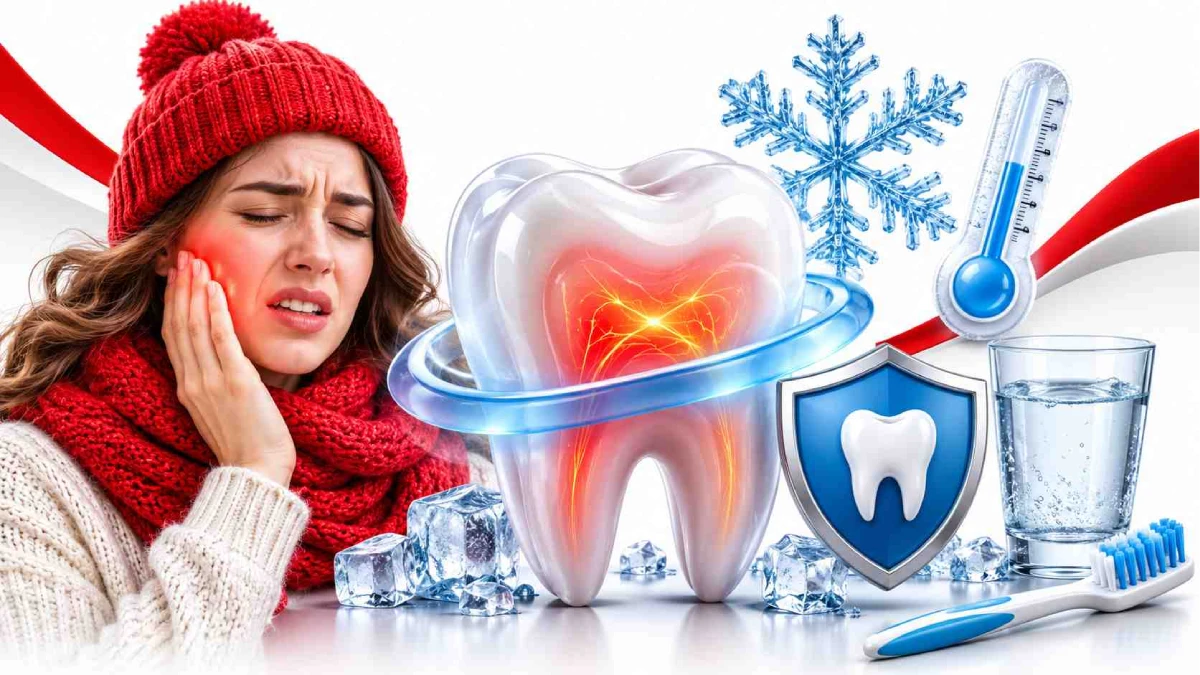
Sensitive teeth can turn a sip of cold water or a breath of winter air into a sharp jolt of pain. You may feel it most when you move between cold air and warm rooms. Even your morning coffee can start to feel like a risk.
This pain is common, and it isn’t just a problem for cold climates. Here in Boca Raton, air conditioning, iced drinks and holiday trips up north can trigger the same zing. In most cases, the cold isn’t the real problem. It exposes an issue that’s already there, such as worn enamel, receding gums or a small crack.
The good news is that most sensitivity can be managed. Below, our Toothsavers team explains why cold makes teeth hurt, how to get relief at home and which warning signs mean you need an exam.
Why Cold Weather Makes Sensitive Teeth Hurt
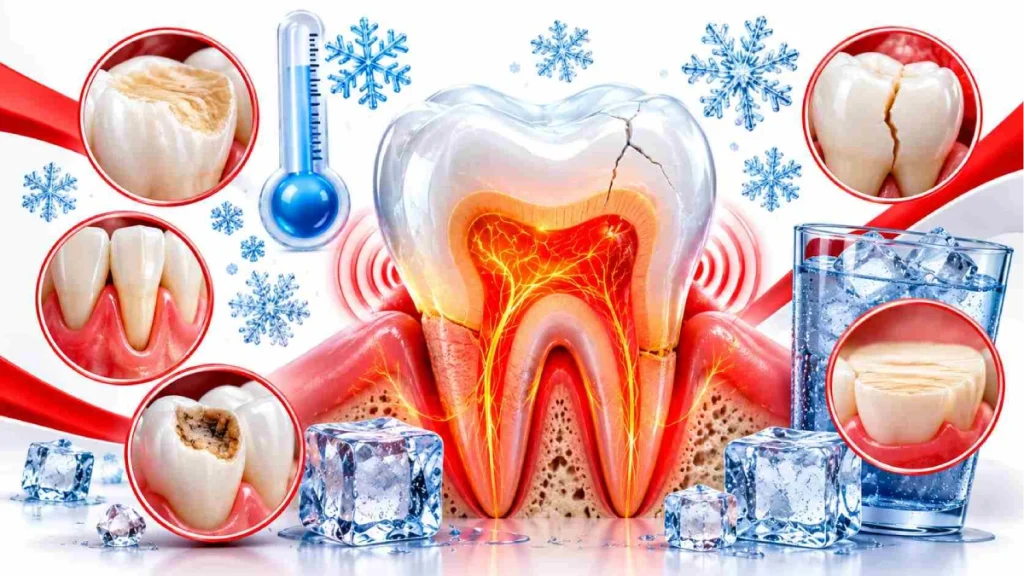
Cold makes sensitive teeth hurt by moving the fluid inside exposed dentin, which triggers the tooth’s nerve. Dentin sits under your enamel and is full of tiny fluid-filled channels. When cold air or ice water reaches them, the nerve reacts with a short, sharp pain that our patients call a “zing.”
Healthy teeth with strong enamel and gums handle cold without pain. The zing only starts when dentin loses its protective cover. That’s why our team looks for the cause, not just the symptom.
Winter Triggers We See Most
- Cold air: Mouth breathing on walks, runs or the commute sends cold air onto your front teeth.
- Temperature swings: Hot coffee after time in the cold makes teeth expand and contract.
- Dry indoor air: Air conditioning and heaters dry your mouth and reduce saliva.
- Colds and flu: A blocked nose forces mouth breathing.
This pain is more common than most people think. A study in the Journal of the American Dental Association looked at 787 adults from 37 U.S. dental practices. It found that 12.3% had dentin hypersensitivity. As a result, we treat winter sensitivity as a real dental concern, not just a seasonal annoyance.
Common Causes of Sensitive Teeth
Most cases of sensitive teeth start when dentin loses its cover of enamel or gum tissue. Once dentin is exposed, triggers like cold air, ice water and sweet foods can reach the nerve. These are the four most common causes.
This affects individual teeth too. A 2023 study in BMC Oral Health checked 12,048 teeth in adults. About 1 in 7 teeth (14.6%) reacted with pain to hot or cold.
Worn Enamel
Enamel wears down from acid, hard brushing and grinding, which leaves dentin open to cold. Acidic foods and drinks like lemons, soda and wine soften the enamel surface. Brushing within 30 minutes of them scrubs that softened layer away.
Hard-bristled brushes and acid reflux also thin enamel over time. Whitening strips can cause short-term sensitivity too. Enamel does not grow back, so protecting what you have matters.
Receding Gums
Receding gums expose the tooth root, which has no enamel to protect it. Roots are covered by cementum, a thin layer that is softer than enamel. Once cementum wears away, dentin sits open at the gumline.
Common causes include gum disease, hard brushing and aging. Tobacco use and crooked teeth can also pull gums back. However, recession can start without pain, so you may notice a tooth looks longer first.
Cracks, Cavities and Old Fillings
Cracks, cavities and worn fillings create openings that let cold reach the inner tooth. A tiny crack from chewing ice or hard candy can reach the dentin. Cavities caused by sugary snacks like cookies and soda also eat through enamel.
Old fillings matter too. Fillings can wear, chip or leak after several years. Gaps at their edges let cold and bacteria reach the tooth underneath.
Teeth Grinding
Teeth grinding wears enamel flat and can crack teeth, making them more sensitive to cold. Grinding, also called bruxism, often happens during sleep. Some people also clench their teeth during the day without noticing.
Stress, sleep apnea and caffeine can make grinding worse. Watch for signs like jaw soreness, morning headaches and flat tooth edges. A custom night guard from your dentist protects your teeth while you sleep.
Easy Ways to Protect Sensitive Teeth
Most sensitive teeth feel better with 4 simple changes to your daily routine. These steps calm the nerve and protect exposed dentin. Our team suggests giving them 2 to 4 weeks before you judge the results.
Home care eases symptoms, but it can’t fix the cause. Problems like cracks, cavities and gum disease still need a dental exam. If pain lasts longer than 4 weeks, see your dentist or book a visit with our team.
Use Desensitizing Toothpaste Correctly
Use a desensitizing toothpaste twice a day, and give it at least 2 weeks to work. Look for active ingredients like potassium nitrate, stannous fluoride or arginine. Potassium nitrate calms the nerve, while stannous fluoride plugs the open tubules.
Research confirms these benefits. In two 8-week clinical trials, toothpaste containing potassium nitrate and stannous fluoride reduced tooth sensitivity more effectively than regular fluoride toothpaste. After brushing, spit but don’t rinse, so the ingredients stay on your teeth.
Brush Gently
Brush with a soft-bristled toothbrush for 2 minutes, twice a day, using light pressure. Hold the brush at a 45-degree angle to the gumline. Use small circles instead of hard back-and-forth strokes.
Pressing hard wears enamel and pushes gums back. Electric brushes with pressure sensors, like Oral-B and Philips Sonicare models, warn you when you press with too much force. Replace your brush every 3 to 4 months, or sooner if the bristles fray.
Shield Your Teeth From Cold Air
Breathe through your nose and cover your mouth when you go out in the cold. Your nose warms the air before it reaches your teeth. A scarf, neck gaiter or face mask adds a second layer of protection.
This matters most on early-morning runs, ski trips or holiday travel to colder states. However, a cold or allergies can block your nose and force mouth breathing. Treating the congestion first helps protect your teeth on freezing days.
Watch Hot, Cold and Acidic Foods
Let hot drinks cool and take the chill off cold foods before you eat them. Sudden changes, like hot coffee after a cold walk, trigger the sharpest pain. Sip warm water instead of ice water when your teeth feel tender.
Acidic foods and drinks like citrus, soda, sports drinks and wine wear down enamel. Drink them through a straw and rinse with plain water after. As a result, less acid sits on your teeth, and you can brush safely after 30 minutes.
Sensitivity or Something Serious?
Pain that fades within seconds is usually a sign of sensitive teeth. Pain that lingers or throbs points to a deeper problem. The key sign is how long it lasts after the cold is gone. We check this timing with a cold test.
Quick self-check:
- Zing that fades in seconds: Exposed dentin. Home care can help.
- Ache lasting 30+ seconds: Possible nerve inflammation (pulpitis). Book an exam within a few days.
- Sharp pain when biting: Possible cracked tooth. Chew on the other side for now.
- Throbbing, swelling or bad taste: Possible infection. Call us the same day.
- Upper back teeth ache with a stuffy nose: Possible sinus pressure.
- Facial swelling with fever: Seek emergency care.
An irritated nerve can heal once the cause is fixed, such as a cavity or leaking filling. Your general dentist can usually handle this.
However, root canals are routine. The American Association of Endodontists reports more than 15 million root canal procedures every year. Early care gives our team more options to protect your natural tooth.
How We Treat Sensitive Teeth
We find the cause first, then choose the treatment that saves your natural tooth. Your visit starts with an exam, a cold test and a 3D CBCT scan if needed. These show whether the problem is exposed dentin, a hidden crack or an inflamed nerve.
Treatments we provide:
- Endodontic consultation: A full diagnosis to find which tooth is causing the pain and why.
- CBCT 3D scans: Detailed images that show cracks and infections regular X-rays can miss.
- Cracked tooth treatment: We find the crack and treat the nerve if needed, to save the tooth.
- Root canal treatment: Removes a damaged nerve, stops the pain and keeps your natural tooth.
- Root canal retreatment: Fixes an older root canal that has become painful or infected.
- Emergency root canals: Same-day care for severe or throbbing tooth pain.
For fillings, fluoride treatments, night guards and crowns, we work closely with your general dentist. If the sensitivity comes from exposed dentin rather than the nerve, we’ll send you back to your dentist with a clear treatment plan.
How to Prevent Sensitivity Long-Term
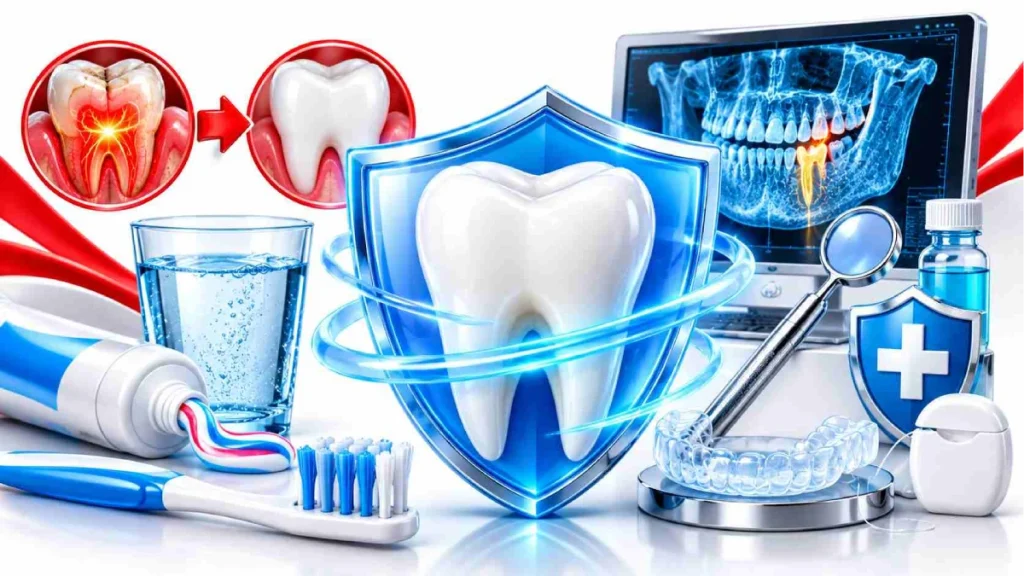
The best way to prevent sensitive teeth is to protect your enamel and gums every day. Daily habits stop dentin from becoming exposed in the first place. They also keep treated teeth comfortable after your visit.
- Brush gently. The American Dental Association recommends that you brush your teeth for two minutes twice a day with a toothbrush that has soft bristles.
- Replace your brush every 3 to 4 months, or sooner if the bristles fray.
- Use fluoride toothpaste to keep enamel strong.
- Floss daily to prevent gum disease and recession.
- Limit acidic drinks like soda, sports drinks and citrus juice, and rinse with water after them.
- Wear a night guard if you grind your teeth.
- Ask before whitening if you have sensitive teeth.
Regular checkups matter as much as home care. See your general dentist every 6 months for a cleaning and exam. Regular visits catch early enamel wear, gum recession and small cracks before they cause pain.
Book a Visit With Our Team
If cold still makes your sensitive teeth hurt after 2 to 4 weeks of home care, it’s time for an exam. Lingering pain, pain in one tooth or pain when you bite can mean a crack or a nerve problem. Our team at Toothsavers finds the cause and helps save your natural tooth.
Don’t wait for a small zing to become a bigger problem. Early care in our Boca Raton office often means simpler treatment and less time in the chair. Call (561) 368-3636 to get help from us today, or book your visit at toothsavers.net.
FAQs
Is it normal for teeth to be more sensitive in winter?
Yes, mild sensitivity in winter is common. Cold air and temperature swings affect teeth that already have exposed dentin, worn enamel or receding gums.
Can you reverse cold sensitivity in teeth?
Yes, most sensitive teeth improve with treatment. Desensitizing toothpaste helps at home, and your dentist can seal exposed dentin with fluoride varnish or bonding
How do I stop sensitive teeth in cold weather?
Use desensitizing toothpaste, brush gently and breathe through your nose outdoors.Covering your mouth with a scarf and avoiding sudden hot-and-cold swings also help .
How long does sensitive toothpaste take to work?
Most people with sensitive teeth feel relief within 2 to 4 weeks of twice-daily use. Spit after brushing but don’t rinse, so the active ingredients stay on your teeth.
Why is only one tooth sensitive to cold?
One sensitive tooth often points to a crack, a cavity or a leaking filling. Book an exam, especially if the pain lingers or you feel it when you bite.
Does cold sensitivity mean I need a root canal?
No, most cold sensitivity doesn’t need a root canal. It’s usually needed when pain lingers 30 seconds or longer, throbs or wakes you up, because the nerve may not heal.