Bad breath happens to everyone at some point. A long night’s sleep, a busy morning, or a strong meal can all leave an odor. This is normal and usually fades on its own. But when your breath stays unpleasant no matter how often you brush, your mouth may be sending a warning. Knowing the signs …

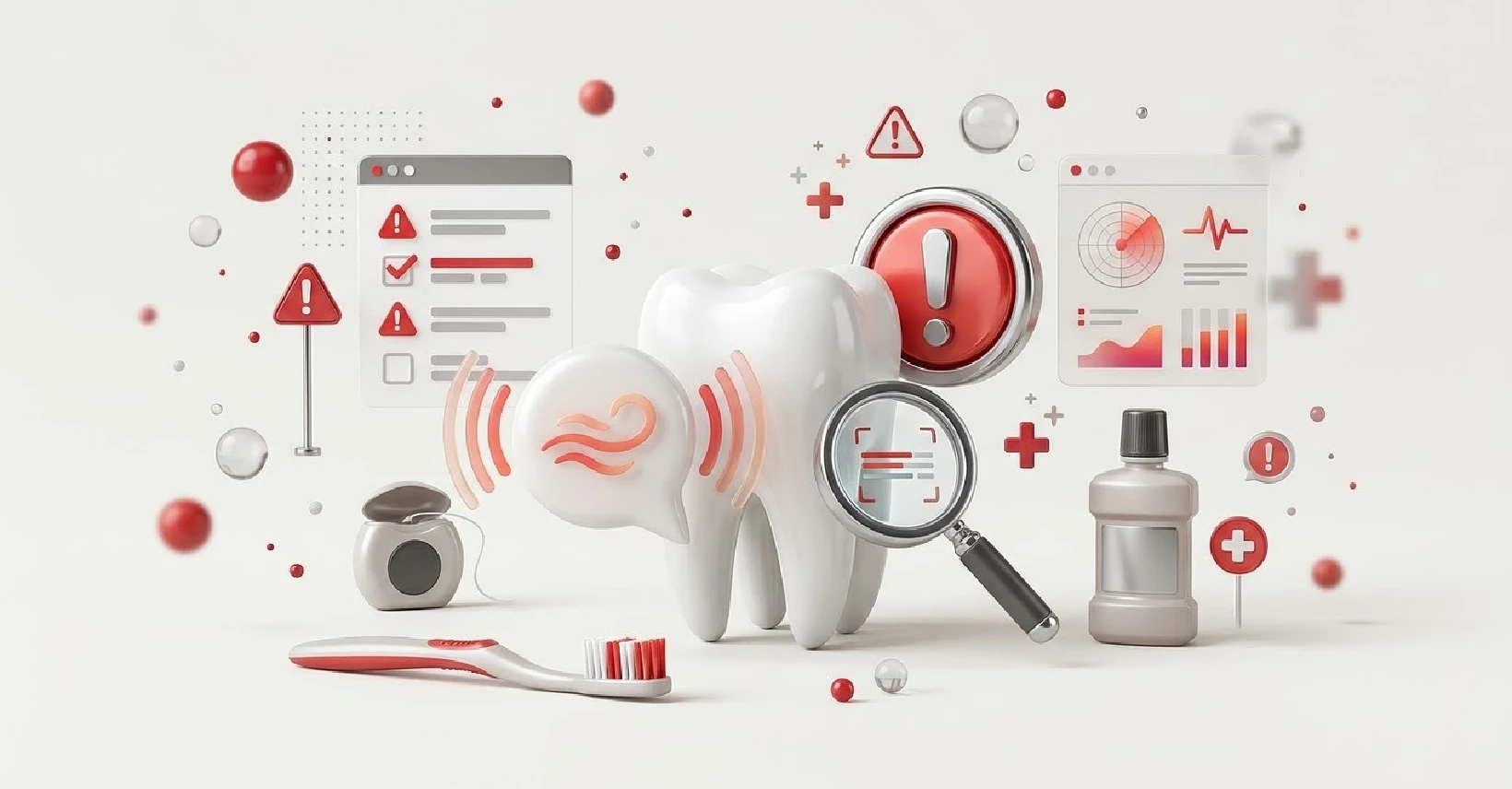
Bad breath happens to everyone at some point. A long night’s sleep, a busy morning, or a strong meal can all leave an odor. This is normal and usually fades on its own. But when your breath stays unpleasant no matter how often you brush, your mouth may be sending a warning. Knowing the signs helps you treat the real cause instead of covering it up.
Known medically as halitosis, bad breath is more than an embarrassing problem. Poor oral hygiene is a common cause, but it isn’t the only one. Dry mouth, gum disease, acid reflux, and conditions elsewhere in the body can all play a part. Garlic or onions often cause short-term odor. Persistent bad breath is different. It can be a red flag that needs attention from a dentist or medical professional. Treatment depends on the cause, which is why mints and mouthwash rarely solve the problem for long.
What Is Bad Breath (Halitosis)?
Bad breath is an unpleasant odor that comes from your mouth when you talk or breathe out. Morning breath is common and normal. A recurring odor often has a deeper cause.
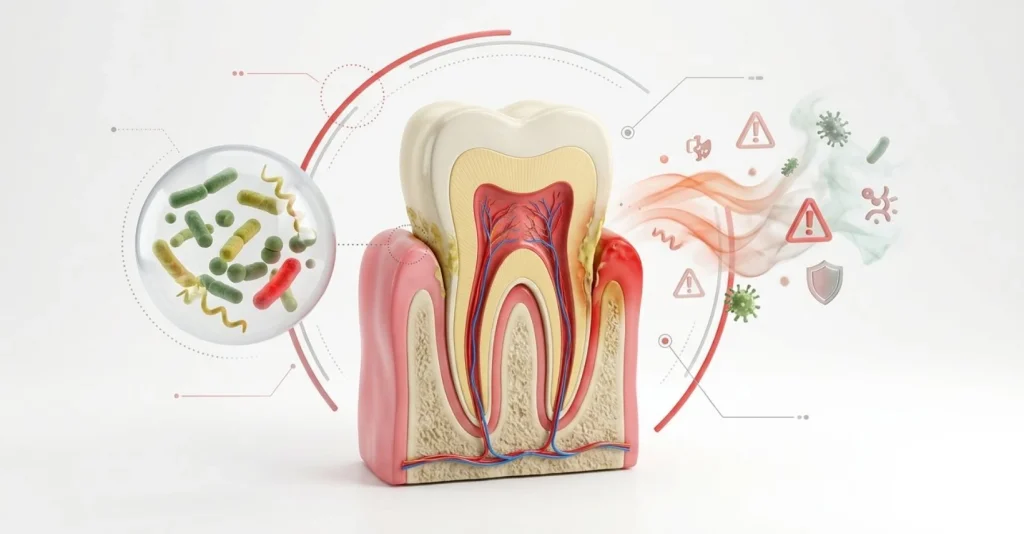
Bacteria on the tongue and gums release sulfur gases like hydrogen sulfide. A review of 13 studies with 384,830 people estimated that 31.8% have halitosis. Still, dentists trace 80 to 90 percent of cases to the mouth, so a dental visit is the best place to start.
Why It’s Hard to Tell If Your Breath Smells
You usually can’t smell your own breath because your nose adapts to odors that stay close to you. Researchers call this sensory adaptation. The mouth and nose connect at the back of the throat. A 2014 study involving 205 university employees in Jordan reported that 78% had halitosis,but only 20.5% of them were aware of it .
The cupped-hand test, where you breathe into your hand and sniff, fails for the same reason. Ask a trusted person, like a partner, sibling, or close friend, for an honest answer. However, many people stay quiet to avoid embarrassment. Clues like a bad taste, a coated tongue, or a dry mouth point to a problem. A dentist can check your breath and find the cause
Warning Signs of Bad Breath You Shouldn’t Ignore
The biggest warning sign is bad breath that stays after you brush, floss, and rinse. That points to a cause beyond food. A 2012 review in the International Journal of Oral Science found that 85% of cases come from mouth conditions like poor hygiene, periodontitis, and tongue coating. Watch for these signs alongside it:
- A constant bad taste. Tastes such as metallic, sour, or bitter can signal decay, infection, or reflux.
- Bleeding or swollen gums. Blood when you brush or floss suggests gingivitis or periodontitis.
- A white or coated tongue. The coating traps bacteria and food debris.
- Chronic dry mouth. Less saliva lets odor-causing bacteria grow. Medications like antihistamines and antidepressants can cause it.
- Reactions from other people. A partner, friend, or coworker mentions your breath, or people lean away during a chat.
- Body-wide symptoms. Heartburn, constant thirst, frequent urination, or trouble swallowing point beyond the mouth.
These signs rarely signal an emergency, but they still need a checkup .Before you book a visit, write down your symptoms. The section below explains who to see first.
Common Causes of Bad Breath
Most bad breath starts in the mouth. These are the causes we see most often:
- Plaque and poor brushing. Plaque is a sticky film of bacteria that builds up on teeth. When brushing and flossing get skipped, these bacteria release smelly gases.
- Gum disease. Infected gums can form deep pockets that trap bacteria. This often brings a constant bad taste, bleeding, or swollen gums along with the odor.
- Tooth decay and infections. Cavities and abscesses hold food and bacteria. Untreated, they can keep your breath unpleasant.
- A coated tongue. The rough surface of the tongue traps food debris and bacteria. This is one of the biggest sources of odor, and it is often missed.
- Dry mouth. Saliva rinses away bacteria and food. When saliva drops, odor builds quickly.
- Tobacco use. Smoking and chewing tobacco leave their own smell and dry out the mouth. They also raise your risk of gum disease.
- Dirty dentures or appliances. Dentures, retainers, and braces can collect bacteria if they are not cleaned daily or do not fit well.
Other Possible Causes of Bad Breath
If your mouth is healthy but the odor stays, one of these may be the reason:
- Strong foods and drinks. Garlic, onions, spices, coffee, and alcohol can leave a smell for hours. The odor also comes from the lungs after digestion, so brushing alone may not remove it.
- Medications. Some medicines reduce saliva and cause dry mouth. Ask your doctor or us if a prescription could be the cause.
- Mouth breathing and snoring. Breathing through your mouth, especially at night, dries the mouth and leads to stronger morning breath.
- Tonsil stones. These small white or yellow deposits form in the tonsils. They contain bacteria and can cause odor and a bad taste.
- Sinus issues and postnasal drip. Mucus that drains down the throat gives bacteria more to feed on.
- Acid reflux (GERD). Stomach acid that rises into the throat can leave a sour smell.
- Skipping meals or crash dieting. Long gaps between meals reduce saliva and can change your breath.
- Other health conditions. Some medical conditions can affect breath. If the odor persists despite good oral care, it is worth a checkup.
What Your Breath Odor Might Mean
Your breath odor can hint at the cause, but it cannot confirm a diagnosis. Most odors come from the mouth. A 2012 review in the International Journal of Oral Science traced 10% of cases to ear, nose, and throat conditions and 5% to digestive or hormone disorders. Use these clues as a guide:
- Rotten egg or foul smell. Bacteria release gases like hydrogen sulfide and methyl mercaptan. Gum disease, cavities, and tongue coating are common sources.
- Sour or acidic smell. Acid reflux (GERD) can push stomach acid into the throat and mouth.
- Fruity or sweet smell. Low insulin in diabetes can lead to ketoacidosis, which needs urgent medical care.
- Fishy or ammonia-like smell. Kidney problems can sometimes cause it, so mention it to your doctor.
- Strange smell that persists. An unusual odor that doesn’t go away should be checked by a dentist or doctor.
Foods like garlic, onions, and coffee often change breath odor. Still, a persistent unusual smell despite good oral hygiene needs a dental checkup. Use these clues to guide your visit, not to self-diagnose.
When to See a Dentist and When to See a Doctor
See a dentist first, then a doctor if your mouth is healthy or body symptoms appear. Bad breath ranks as the third most common reason people visit dentists, behind tooth decay and gum disease. Your dentist usually finds the cause, so book an exam if odor stays after better hygiene or your gums bleed.
A doctor can check causes like reflux, sinus infections, or diabetes. Go if heartburn, constant thirst, frequent urination, or trouble swallowing appears. However, fruity breath with extreme thirst needs urgent medical care. Also, bring a list of your medications to both visits.
How Bad Breath Is Diagnosed and Treated
A dental exam and breath tests help identify the underlying cause. Treatment depends on the cause, from professional cleaning to medical care.
What Your Dentist Will Check

Your dentist reviews your health history, smells your breath, and examines your whole mouth. Devices like the Halimeter and OralChroma measure sulfur gases such as hydrogen sulfide and methyl mercaptan. Studies report correlations of 0.74 and 0.82 between the smell test and Halimeter readings.
The exam covers gums, cavities, tongue coating, and dentures. It separates true halitosis from halitophobia, a fear of having bad breath when no odor is detectable. If your mouth is healthy, we may refer you to your primary care doctor.
Treatment Options
Treatment depends on the cause.
- Plaque buildup. A professional cleaning and a better home routine usually fix it.
- Gum disease. Deep cleaning, also called scaling and root planing, removes bacteria below the gumline and helps gums heal.
- Tongue coating. Clean your tongue with a scraper or soft brush, since bacteria and food debris collect there.
- Odor-causing bacteria. We may suggest an antibacterial rinse. Some mouthwashes cover odor for a short time, but antibacterial rinses target the bacteria behind it.
- Dry mouth. Drink water often, and ask us about saliva-boosting products or a review of medications that may cause it.
- Another health condition. Conditions like GERD, sinus infections, or diabetes need care from your primary care doctor.
Rinses that mask odor give short relief. Treating the cause gives better results, so ask us which option fits you.
How to Prevent Bad Breath
Maintain good oral hygiene and reduce odor-causing bacteria to keep your breath fresh.
- Brush your teeth twice a day to remove plaque and food particles.
- Clean your tongue daily to remove odor-causing bacteria.
- Floss once a day to remove trapped food between teeth.
- Drink enough water to prevent dry mouth.
- Replace your toothbrush every three to four months.
- Limit foods with strong odors, such as garlic and onions.
- Quit smoking and avoid tobacco products, since they cause odor and raise your risk of gum disease.
- Visit us regularly to prevent gum disease and other causes of bad breath.
Common Bad Breath Mistakes and Myths
Avoid these common mistakes to control mouth odor and maintain good oral hygiene.
- Myth: Mouthwash cures bad breath: It only masks odors for a short time and does not treat the underlying cause.
- Mistake: Skipping tongue cleaning: Bacteria on the tongue can cause persistent bad breath.
- Myth: Brushing alone is enough: Flossing and tongue cleaning are also important.
- Mistake: Ignoring dry mouth: Low saliva levels allow odor-causing bacteria to grow.
- Myth: Bad breath always comes from the stomach: Most cases start inside the mouth, often due to bacteria or gum disease.
- Mistake: Ignoring persistent bad breath: Ongoing odor may indicate gum disease, tooth decay, or another oral health problem.
Take the Next Step for Fresher Breath
Book a dental checkup with us if the odor persists after better brushing, flossing, and tongue cleaning. We examine your gums, teeth, and tongue to find the cause, then explain your options in plain words, such as a professional cleaning, gum disease care, or an antibacterial rinse.
Start today with a simple routine: brush twice a day, floss once, and clean your tongue gently. However, bleeding gums, a constant bad taste, or dry mouth call for a dental exam. Early care can help you avoid more extensive treatment later.
Book an appointment today at Toothsavers or call (561) 368-3636 to visit us at 900 Glades Road, Suite 3A, Boca Raton, FL 33431.
FAQs
How can a dentist help with bad breath?
A dentist finds the cause by examining your gums, teeth, and tongue. We then treat it with a professional cleaning, gum disease care, or an antibacterial rinse.
Does flossing help with bad breath?
Yes, flossing removes food and plaque from between your teeth where a toothbrush can’t reach. Floss once a day to cut down the bacteria that cause odor.
How often should I clean my tongue?
Clean your tongue once a day, ideally when you brush in the morning. Use a scraper or a soft brush gently, since bacteria and food debris collect on the tongue’s surface.
Does mouthwash really get rid of bad breath?
Mouthwash only masks odor for a short time and does not treat the cause. An antibacterial rinse can help more, but it works best alongside brushing, flossing, and tongue cleaning.
How long does a dental visit for bad breath take?
Most checkups take about 30 to 60 minutes, depending on whether you need a cleaning. We examine your mouth, discuss your symptoms, and explain your options.